✓ Children in high-quality early childhood education programs show higher academic achievement.
✓ Early learning fosters crucial social-emotional skills like empathy and cooperation.
✓ Studies indicate a significant return on investment for every dollar spent on early education.
✓ Preschool attendance is linked to reduced crime rates and increased earning potential in adulthood.
How It Works
1
Structured Learning Environment
Children engage in age-appropriate activities designed to stimulate cognitive growth and curiosity. This structured setting introduces routines and expectations crucial for future academic success.
2
Social-Emotional Development
Through guided play and group activities, children learn to share, cooperate, and resolve conflicts. This builds vital social skills and emotional regulation, preparing them for complex social interactions.
3
Language and Literacy Foundations
Educators introduce foundational literacy skills through storytelling, phonics, and print-rich environments. This early exposure significantly boosts vocabulary and pre-reading abilities.
4
Problem-Solving and Critical Thinking
Activities like puzzles, building blocks, and guided experiments encourage children to think critically and solve problems creatively. This develops essential cognitive pathways for lifelong learning.
The Cognitive Edge: Boosting Brain Development and Academic Readiness
Photo: Digital Buggu / Pexels
One of the most profound benefits of early childhood education lies in its impact on cognitive development. The human brain undergoes its most rapid period of growth and development from birth through age five. During this critical window, experiences shape neural pathways, influencing everything from language acquisition to problem-solving abilities. High-quality early learning environments are specifically designed to capitalize on this plasticity, offering a rich tapestry of stimuli that foster intellectual growth. Children in these programs are exposed to a diverse range of activities that stimulate different areas of the brain. For instance, engaging with puzzles and building blocks enhances spatial reasoning and fine motor skills. Storytelling and interactive reading sessions significantly boost vocabulary, phonological awareness, and an early understanding of narrative structure – all crucial precursors to reading success. Furthermore, early childhood educators employ intentional teaching strategies that encourage critical thinking, curiosity, and a love for learning. They ask open-ended questions, allowing children to explore concepts at their own pace and develop their own hypotheses. This approach moves beyond rote memorization, cultivating a deeper understanding and an intrinsic motivation to learn. Studies consistently show that children who participate in high-quality early childhood education programs demonstrate higher scores on standardized tests, possess stronger pre-reading and math skills, and are better prepared for kindergarten. This academic readiness isn't just about knowing letters and numbers; it's about having the foundational cognitive tools – attention span, memory, and logical reasoning – that enable them to absorb and process new information effectively. This early cognitive boost creates a positive feedback loop, making subsequent learning experiences more accessible and enjoyable. It sets the stage for a trajectory of academic success that can extend throughout their schooling and beyond. The investment in these formative years yields dividends in intellectual capability and a lifelong appreciation for knowledge. Understanding the importance of early education is key to unlocking a child's full potential.
Cultivating Social-Emotional Intelligence: Building Foundations for Life
Photo: Polesie Toys / Pexels
Beyond academic gains, early childhood education plays an indispensable role in nurturing social-emotional intelligence, a cornerstone for success in all aspects of life. In a structured yet playful group setting, young children learn invaluable lessons about interacting with peers and adults. They are given opportunities to practice sharing toys, taking turns, and collaborating on projects, which are fundamental for developing empathy and understanding different perspectives. These interactions are often guided by skilled educators who model appropriate social behaviors and help children navigate conflicts constructively. When a disagreement arises, instead of simply separating children, an educator might facilitate a conversation, encouraging them to express their feelings and work towards a mutually agreeable solution. This teaches vital conflict resolution skills and emotional regulation, preventing minor disputes from escalating. Furthermore, early childhood programs emphasize the development of self-regulation – the ability to manage one's emotions and behaviors in various situations. Through routines, clear expectations, and consistent feedback, children learn to control impulses, follow instructions, and persist through challenging tasks. This self-discipline is not only crucial for classroom success but also for building resilience and coping with life's inevitable setbacks. The development of a strong sense of self and positive relationships with others also contributes to a child's overall well-being and mental health. Children who feel safe, valued, and connected in their early learning environment are more likely to develop self-confidence, a positive self-image, and a willingness to take risks in their learning. These social-emotional competencies are not innate; they are learned and honed through consistent practice and supportive guidance. The skills acquired in early childhood education – empathy, cooperation, communication, and self-regulation – are transferable to all future relationships, from friendships to professional collaborations, making them perhaps the most enduring benefits of early learning experiences. These foundational skills are often more predictive of adult success than early academic achievements alone, highlighting the holistic nature of high-quality early childhood education.
Long-Term Societal and Economic Returns: A Smart Investment
Photo: RDNE Stock project / Pexels
The benefits of early childhood education extend far beyond the individual child and their family, yielding significant long-term societal and economic returns. Economists and social scientists have repeatedly demonstrated that investing in high-quality early learning programs is one of the most effective strategies for fostering sustainable community development and reducing social inequalities. One of the most compelling arguments for early childhood education comes from its impact on future earning potential and reduced reliance on social services. Children who attend quality preschools are more likely to graduate from high school, pursue higher education, and secure stable, higher-paying jobs as adults. This translates into increased tax revenues and a stronger workforce, benefiting the entire economy. Conversely, a lack of early education can lead to a cycle of underachievement, requiring more significant public spending on remedial education, welfare programs, and incarceration later in life. Research by Nobel laureate economist James Heckman highlights the substantial return on investment (ROI) for early childhood education, often cited as $4 to $9 for every dollar invested. This return comes from a combination of factors: increased earnings for participants, reduced crime rates, better health outcomes, and decreased costs for special education and welfare. Early intervention can mitigate developmental delays and learning difficulties, reducing the need for expensive specialized support services in elementary school and beyond. Furthermore, early childhood education contributes to a more equitable society. It provides a crucial equalizer for children from disadvantaged backgrounds, offering them opportunities to develop the cognitive and social-emotional skills that might otherwise be lacking due to environmental factors. This helps to close achievement gaps before they widen, promoting social mobility and breaking cycles of poverty. By fostering a generation of well-adjusted, educated, and productive citizens, early childhood education strengthens the social fabric, reduces crime, and promotes civic engagement. It's an investment in human capital that pays dividends across generations, creating a more prosperous, healthy, and just society for everyone. The broader impact of quality education is undeniable.
Choosing the Right Program: Tips for Parents
Photo: Timur Weber / Pexels
Selecting the right early childhood education program for your child is a crucial decision that can significantly influence their early learning journey. Here are some tips to help you navigate the options and avoid common pitfalls:
* **Prioritize Quality Over Proximity:** While convenience is a factor, the quality of the program should be paramount. Look for accredited programs, low teacher-to-child ratios, and educators with relevant qualifications and experience. A quality program will have a clear curriculum that supports holistic development.
* **Observe the Environment:** Pay attention to the atmosphere during your visit. Is it warm, welcoming, and stimulating? Do children seem engaged and happy? Observe how teachers interact with children – are they nurturing, responsive, and encouraging?
* **Inquire About Curriculum and Philosophy:** Understand the program's educational approach. Is it play-based, Montessori, Reggio Emilia, or another philosophy? Ensure it aligns with your family's values and your child's learning style. A good curriculum will cover cognitive, social, emotional, and physical development.
* **Ask About Teacher Qualifications and Turnover:** Highly qualified and experienced teachers are key to a successful program. Low staff turnover often indicates a positive work environment, which translates to better care and consistency for children.
* **Consider Parent Involvement Opportunities:** A strong partnership between home and school is beneficial. Look for programs that encourage parent participation, offer regular communication, and provide opportunities for you to be involved in your child's learning.
* **Check Licensing and Safety Standards:** Ensure the facility is licensed by the state and adheres to all health and safety regulations. Ask about emergency procedures, first aid training, and child protection policies.
**Mistakes to Avoid:**
* **Focusing solely on academics:** While important, a balanced program that nurtures social-emotional skills is equally vital.
* **Ignoring your child's personality:** A shy child might thrive in a smaller, more intimate setting, while an outgoing child might enjoy a larger, more active environment.
* **Not asking enough questions:** Don't hesitate to ask about anything that concerns you, from discipline policies to daily schedules.
* **Making a rushed decision:** Take your time, visit multiple centers, and trust your instincts.
Comparison
Feature
High-Quality Preschool
Home-Based Daycare (Informal)
Parent-Led Learning
Structured Curriculum
✓ (Developmentally appropriate)
✗ (Often unstructured)
✓ (Requires parent effort)
Certified Educators
✓ (Required/preferred)
✗ (Varies widely)
✗ (Parent expertise varies)
Social Interaction
✓ (Diverse peer group)
✓ (Smaller peer group)
✗ (Limited, often siblings)
Kindergarten Readiness
Excellent
Moderate to Good
Varies (Parent dependent)
Access to Resources
✓ (Books, materials, specialists)
✗ (Limited)
✗ (Parent must provide)
What Readers Say
★★★★★
"Sending our daughter to preschool was the best decision. She learned to share, communicate her feelings, and developed a genuine love for learning. The teachers were incredible, fostering her curiosity every day."
Sarah J. · Austin, TX
★★★★★
"My son, who was quite shy, blossomed in his early childhood program. He gained so much confidence and made wonderful friends. The structured environment really helped him prepare for kindergarten, both academically and socially."
Mark T. · Seattle, WA
★★★★★
"The impact of early childhood education on my child's language development was astounding. Her vocabulary exploded, and she started recognizing letters and numbers with ease. She entered kindergarten well ahead of her peers."
Emily R. · Boston, MA
★★★★★
"While the program was excellent for academic readiness, I initially wished for more outdoor play time. However, the teachers were responsive to feedback, and the social-emotional growth my child experienced was invaluable."
David L. · Denver, CO
★★★★★
"As a working parent, knowing my child was in a safe, stimulating, and educational environment gave me immense peace of mind. The program provided consistent routines and engaging activities that truly enriched his early years."
Jessica M. · Chicago, IL
Frequently Asked Questions
What are the primary benefits of early childhood education?
The primary benefits include enhanced cognitive development, improved social-emotional skills like empathy and self-regulation, better academic readiness for kindergarten, and long-term positive impacts on future success and well-being. These programs lay a strong foundation for lifelong learning and healthy development.
Is early childhood education only for children from disadvantaged backgrounds?
No, while early childhood education can significantly help close achievement gaps for disadvantaged children, its benefits are universal. All children, regardless of their background, can thrive and develop crucial skills in a high-quality early learning environment, benefiting from structured learning and social interaction.
How do I choose the best early childhood education program for my child?
To choose the best program, consider factors like teacher qualifications, teacher-to-child ratios, the program's curriculum and philosophy, safety standards, and opportunities for parent involvement. Visiting the facility and observing the interactions between children and teachers is also highly recommended to ensure a good fit.
What is the cost of early childhood education in the US?
The cost of early childhood education varies widely across the US, depending on factors like location, type of program (e.g., public preschool, private daycare, Montessori), and hours of attendance. It can range from a few hundred to over two thousand dollars per month. Many states offer subsidized programs or financial assistance for eligible families.
How does early childhood education compare to learning at home with parents?
While parent-led learning at home is valuable, early childhood education offers unique benefits, particularly in structured social interaction with peers and exposure to diverse teaching styles from trained educators. It provides a dedicated learning environment that complements home learning, fostering skills that are harder to replicate solely at home.
Who should consider early childhood education for their child?
Any parent or guardian looking to provide their child with a strong foundation for future academic, social, and emotional success should consider early childhood education. It is particularly beneficial for children aged 3-5, preparing them for the transition to formal schooling and fostering a love for learning.
Are there any risks or downsides to early childhood education?
The primary 'risk' is enrolling a child in a low-quality program, which may not provide the intended benefits. Potential downsides could include exposure to more illnesses in group settings or, for some children, an initial adjustment period away from home. However, high-quality programs mitigate these concerns with strong health protocols and supportive transitions.
What are the future trends in early childhood education?
Future trends include a greater emphasis on personalized learning approaches, increased integration of technology for interactive learning, a continued focus on social-emotional learning alongside academic skills, and expanding access to high-quality programs for all children, recognizing its critical role in societal development.
Embrace the transformative power of early childhood education for your child. By investing in these formative years, you're not just preparing them for school, but equipping them with the essential skills, confidence, and curiosity to thrive throughout their entire lives. Explore the options and give your child the gift of a strong start.

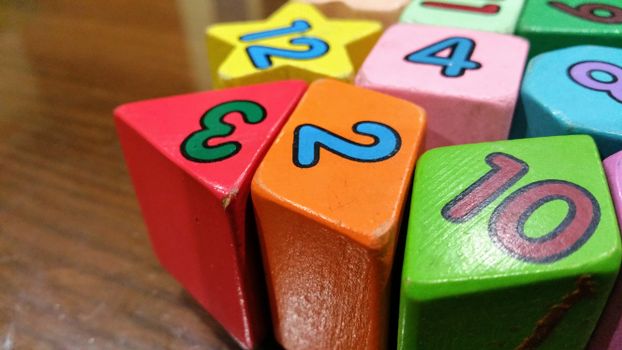 Photo: Digital Buggu / Pexels
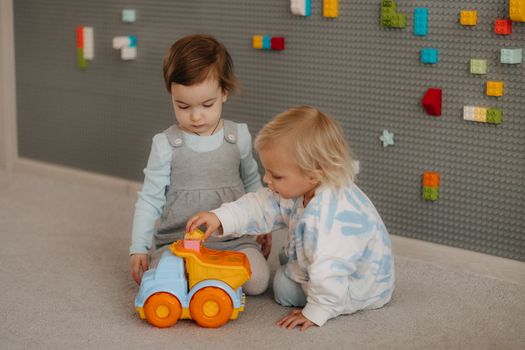 Photo: Polesie Toys / Pexels
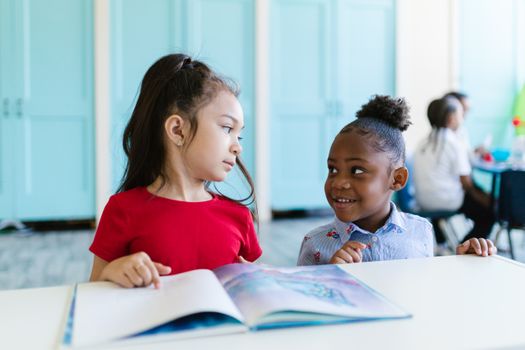 Photo: RDNE Stock project / Pexels
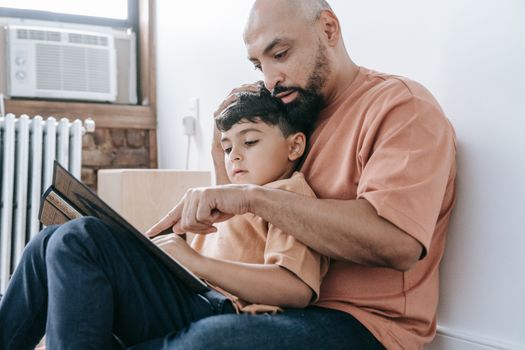 Photo: Timur Weber / Pexels