
 Photo: Yan Krukau / Pexels
Unlocking Potential: Benefits of Early Childhood Education
Investing in early learning sets children on a path to lifelong success, fostering crucial skills and a love for discovery.
Explore the AdvantagesKey Takeaways
- ✓ Children in high-quality early education programs are more likely to graduate high school and attend college.
- ✓ Early childhood education leads to better social-emotional regulation and reduced behavioral problems.
- ✓ Studies show a significant return on investment for early learning programs, benefiting individuals and society.
- ✓ Participation in early education can narrow achievement gaps between children from different socioeconomic backgrounds.
How It Works
Children engage in activities designed to stimulate cognitive growth, problem-solving, and creativity through guided play and exploration. This approach makes learning enjoyable and natural for young minds.
Educators facilitate interactions that teach sharing, empathy, conflict resolution, and self-regulation. These foundational social skills are vital for future relationships and academic success.
Exposure to rich language environments, storytelling, and early phonics builds a strong base for reading and communication. This prepares children for formal schooling and lifelong learning.
Activities focusing on numbers, shapes, patterns, and critical thinking challenge young brains. These experiences enhance memory, attention span, and logical reasoning from an early age.
The Profound Impact on Cognitive Development
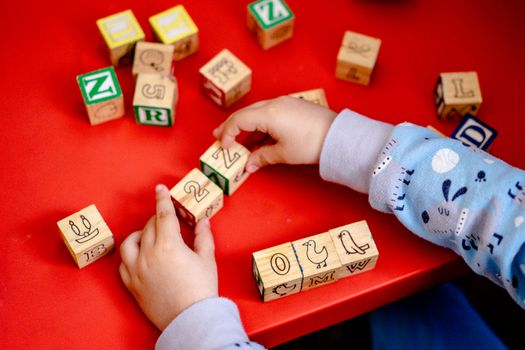 Photo: Atlantic Ambience / Pexels
Nurturing Social-Emotional Growth and Well-being
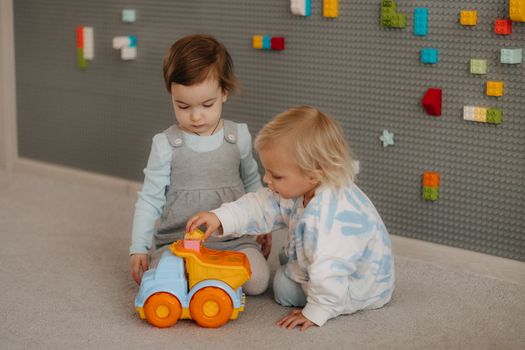 Photo: Polesie Toys / Pexels
Bridging Achievement Gaps and Fostering Equity
 Photo: Pavel Danilyuk / Pexels
Practical Tips for Choosing an Early Childhood Education Program
 Photo: Pavel Danilyuk / Pexels
Comparison
| Feature | High-Quality ECE | Informal Home Care | Lower Quality ECE |
|---|---|---|---|
| Teacher Qualifications | Certified ECE professionals | Varies widely | Often minimal training |
| Curriculum Structure | Play-based, developmental | Unstructured, incidental | Rigid, less engaging |
| Social Interaction | Diverse peer group, guided | Limited peers, less guidance | Inconsistent, unguided |
| Cognitive Stimulation | Rich, varied activities | Dependent on caregiver | Repetitive, uninspired |
| Long-term Outcomes | ✓ Improved academics/life skills | ✗ Less consistent benefits | ✗ Potential negative impact |
| Focus | Holistic child development | Supervision & basic needs | Cost-cutting over quality |
What Our Readers Say
"Enrolling my daughter in preschool was the best decision. She learned to share, speak up for herself, and developed a love for books. The benefits of early childhood education are truly evident in her confidence and curiosity."
Sarah M. Austin, TX"Our son struggled with shyness, but his early learning program transformed him. He's now outgoing, makes friends easily, and is incredibly well-prepared for kindergarten. It's amazing to see the growth."
David P. Chicago, IL"Thanks to a fantastic early childhood education program, my son, who was showing signs of speech delay, caught up significantly before school. He's now thriving academically and socially, a direct result of their dedicated support."
Jessica L. Seattle, WA"While initially hesitant about the cost, the gains in my daughter's problem-solving and communication skills have been undeniable. I do wish there were more flexible hours, but the educational quality makes it worthwhile."
Mark T. Miami, FL"As a former teacher, I understand the importance of early foundations. My grandson's preschool has exceeded expectations, fostering not just academics but also crucial social-emotional intelligence. It's a true partnership."
Elena R. Denver, COFrequently Asked Questions
What are the primary benefits of early childhood education for a child's future?
Is early childhood education only for children from disadvantaged backgrounds?
How do I choose the right early childhood education program for my child?
Is early childhood education worth the cost?
How does early childhood education compare to learning at home?
Who should consider early childhood education for their child?
Are there any risks associated with early childhood education?
What are the future trends in early childhood education?
Embrace the transformative power of early childhood education for your child's future. Invest in their cognitive, social, and emotional development today, laying a robust foundation for a lifetime of learning and success.