✓ Lifelong learning enhances cognitive function and memory.
✓ It significantly boosts career adaptability and employability.
✓ Continuous learning fosters personal fulfillment and well-being.
✓ It promotes resilience and problem-solving skills in a changing world.
How It Works
1
Identify Your Learning Goals
Reflect on areas you wish to improve, whether for career advancement, personal hobbies, or intellectual curiosity. Clear goals provide direction and motivation.
2
Explore Diverse Learning Avenues
Consider various methods like online courses, workshops, books, podcasts, or even mentorships. Choose approaches that best suit your learning style and schedule.
3
Integrate Learning into Daily Life
Dedicate specific times, even short periods, to learning each day or week. Consistency is key to building a sustainable learning habit and seeing progress.
4
Apply and Share Your Knowledge
Actively use what you learn in real-world scenarios to solidify understanding. Sharing insights with others can further deepen your comprehension and retention.
Career Advancement Through Continuous Skill Development
Photo: Thành Đỗ / Pexels
In today's rapidly evolving job market, the concept of a static career path is largely obsolete. The imperative for continuous skill development has never been stronger, making lifelong learning an indispensable tool for career advancement. Employers are increasingly seeking individuals who are not only proficient in their current roles but also demonstrate an eagerness and capacity to acquire new skills and adapt to emerging technologies and methodologies. This proactive approach to learning positions individuals as valuable assets, capable of navigating change and contributing innovatively to their organizations. From mastering new software platforms to understanding complex data analytics or developing advanced leadership competencies, the spectrum of skills required in the modern workplace is vast and ever-expanding. Lifelong learners are inherently more adaptable, which is a critical trait in industries undergoing digital transformation or facing significant market shifts. They are less likely to be rendered obsolete by technological advancements and more likely to pivot into new opportunities as they arise. Furthermore, continuous learning often leads to increased earning potential. Studies consistently show that individuals who invest in their education and skill development tend to command higher salaries and are more frequently promoted. This is because they bring a broader set of capabilities to the table, solving more complex problems and adding greater value to their employers. The pursuit of new knowledge also opens doors to networking opportunities. Engaging in professional development courses, attending industry conferences, or participating in online learning communities connects individuals with peers and experts, fostering collaborations and mentorships that can be pivotal for career growth. These networks provide insights into industry trends, job openings, and best practices, further enriching one's professional journey. Moreover, demonstrating a commitment to lifelong learning signals to employers a strong work ethic, self-motivation, and a growth mindset—qualities highly valued in any professional setting. It shows an individual's dedication to excellence and their desire to contribute meaningfully over the long term. This dedication can translate into greater job security and a more fulfilling professional life, as individuals feel more competent and engaged in their work. The investment in oneself through learning is arguably the most impactful career strategy one can adopt, ensuring relevance and success in a competitive landscape. For those considering furthering their education, the career benefits are profound and long-lasting.
Enhancing Personal Growth and Intellectual Vitality
Photo: Monstera Production / Pexels
Beyond the tangible professional benefits, lifelong learning profoundly enriches personal growth and intellectual vitality. It's about cultivating a curious mind, expanding one's worldview, and fostering a deeper understanding of oneself and the world. Engaging with new subjects, whether they are academic disciplines, creative arts, or philosophical concepts, stimulates cognitive functions, keeping the brain active and agile. This mental exercise is akin to physical exercise for the body; it strengthens neural pathways, improves memory, and enhances problem-solving abilities. Research in cognitive science consistently highlights how continuous learning can help delay age-related cognitive decline, promoting mental sharpness and resilience well into later life. The act of learning new things often involves stepping outside one's comfort zone, which builds confidence and self-efficacy. Successfully mastering a new skill or understanding a complex topic instills a sense of accomplishment and empowers individuals to tackle new challenges with greater assurance. This newfound confidence can spill over into other areas of life, from personal relationships to community involvement. Lifelong learning also broadens perspectives. By exploring diverse cultures, histories, scientific discoveries, or artistic expressions, individuals develop a more nuanced and empathetic understanding of humanity. This expanded worldview can lead to greater tolerance, critical thinking, and a richer personal philosophy. It encourages individuals to question assumptions, challenge biases, and engage in more informed discussions, contributing to a more enlightened society. Furthermore, learning can be a powerful source of personal fulfillment and joy. The intrinsic pleasure of discovery, the satisfaction of overcoming intellectual hurdles, and the excitement of acquiring new knowledge contribute significantly to overall well-being. It provides a sense of purpose and meaning, moving beyond the mundane aspects of daily life to engage with deeper questions and interests. Whether it's learning a new language, picking up a musical instrument, delving into ancient history, or understanding the intricacies of quantum physics, these pursuits add layers of richness and complexity to one's personal identity. They offer new avenues for self-expression and connection, fostering a more vibrant and engaged existence. This journey of continuous personal evolution is a cornerstone of a well-lived life, making each day an opportunity for growth and discovery.
Boosting Adaptability and Resilience in a Changing World
Photo: Elias Jara / Pexels
The modern world is characterized by constant change, from rapid technological advancements to shifting global economies and unforeseen societal challenges. In such an environment, the capacity for adaptability and resilience is not merely beneficial but essential for navigating life successfully. Lifelong learning is a critical enabler of these qualities, equipping individuals with the mental frameworks and practical skills needed to adjust, recover, and even thrive amidst uncertainty. When individuals commit to continuous learning, they develop a 'growth mindset,' a belief that their abilities and intelligence can be developed through dedication and hard work. This mindset is fundamentally different from a fixed mindset, where abilities are seen as inherent and unchangeable. A growth mindset fosters a proactive approach to challenges, viewing them as opportunities for learning and improvement rather than insurmountable obstacles. This psychological shift is incredibly powerful, allowing individuals to embrace change rather than fear it. Furthermore, lifelong learning provides the actual tools and knowledge to adapt. For example, understanding emerging technologies or new business models allows individuals to anticipate changes in their industries and proactively acquire the skills needed to stay relevant. This foresight reduces the shock of disruption and empowers individuals to be part of the solution rather than victims of circumstance. The ability to quickly acquire new knowledge and skills is a direct result of consistent learning practices. Moreover, continuous learning builds intellectual agility. By regularly engaging with diverse subjects and complex ideas, the brain becomes more adept at processing new information, connecting disparate concepts, and formulating innovative solutions. This agility is invaluable when faced with novel problems that do not have pre-existing solutions, encouraging creative thinking and problem-solving. Resilience, the ability to bounce back from adversity, is also significantly enhanced by a lifelong learning approach. When individuals encounter setbacks, their learning habits enable them to analyze what went wrong, extract lessons, and apply those insights to future endeavors. This iterative process of learning from experience transforms failures into stepping stones for growth, fostering a robust sense of self-efficacy and perseverance. For communities and nations, fostering a culture of learning contributes to collective resilience, enabling societies to respond more effectively to crises and build a more sustainable future. The continuous acquisition of knowledge and development of skills acts as a powerful buffer against the turbulence of the modern era, ensuring that individuals and societies can not only survive but truly flourish.
Practical Tips for Cultivating a Lifelong Learning Habit
Photo: RDNE Stock project / Pexels
Embracing lifelong learning doesn't require a complete overhaul of your life; rather, it involves integrating small, consistent practices into your daily routine. Here are some practical tips to help you cultivate a robust and sustainable lifelong learning habit:
* **Start Small and Be Consistent:** Don't try to learn everything at once. Begin with 15-30 minutes a day, perhaps reading a book, listening to an educational podcast during your commute, or watching a short online tutorial. Consistency is more important than intensity in the initial stages.
* **Define Your Interests and Goals:** What truly excites you? What skills would genuinely benefit your career or personal life? Having clear interests and goals will provide motivation and direction, making learning feel less like a chore and more like an exciting exploration. Write down what you want to achieve.
* **Explore Diverse Learning Formats:** Not everyone learns best from reading. Experiment with different formats: online courses (Coursera, edX, LinkedIn Learning), documentaries, audiobooks, podcasts, workshops, seminars, practical projects, or even mentorships. Find what resonates with your learning style.
* **Join Learning Communities:** Engage with others who share your learning goals. Online forums, local clubs, study groups, or professional associations can provide support, accountability, and new perspectives. Learning can be a social and collaborative experience.
* **Teach Others What You Learn:** One of the most effective ways to solidify your understanding of a topic is to teach it to someone else. Explaining concepts forces you to organize your thoughts and identify gaps in your knowledge. This could be informal, like explaining something to a friend, or more structured, like leading a small study group.
* **Keep a Learning Journal:** Document your learning journey. Note down new insights, questions that arise, resources you've found helpful, and progress you've made. This not only reinforces learning but also helps you track your growth and celebrate achievements.
* **Embrace Curiosity and Ask Questions:** Cultivate a curious mindset. Don't be afraid to ask 'why' and 'how.' Approach new information with an open mind and a willingness to challenge your own assumptions. Curiosity is the fuel for lifelong learning.
* **Schedule Dedicated Learning Time:** Just like you schedule meetings or workouts, block out specific times for learning in your calendar. Treating it as a non-negotiable appointment increases the likelihood that you'll stick with it.
By implementing these strategies, you can transform learning from an occasional event into an intrinsic part of your lifestyle, unlocking a continuous stream of personal and professional benefits.
Comparison
Feature
Formal Education
Self-Directed Learning
Blended Learning
Structure
Highly structured curriculum
Flexible, self-paced
Mix of structured & flexible
Cost
High (tuition, fees)
Low to moderate (resources)
Moderate
Accreditation
Typically accredited degrees/certs
Self-validation, some certifications
Often accredited courses
Social Interaction
High (peers, instructors)
Low (individual focus)
Moderate (online forums, workshops)
Pacing
Fixed deadlines
Self-determined
Some fixed, some flexible
What Readers Say
★★★★★
"Embracing lifelong learning has completely transformed my career trajectory. I've gained critical skills that led to a promotion and a significant salary increase, all thanks to continuous online courses and workshops."
Sarah J. · Austin, TX
★★★★★
"I used to think learning stopped after college. Now, I dedicate an hour a day to new topics, and my cognitive agility has improved remarkably. It's truly a gift to my mental well-being."
David M. · Seattle, WA
★★★★★
"After losing my job, I leveraged lifelong learning to retrain in a completely new field. Within six months, I secured a position I love, proving its power to adapt and thrive in uncertain times."
Emily R. · Chicago, IL
★★★★★
"While the initial commitment to lifelong learning felt daunting, the gradual accumulation of knowledge has been incredibly rewarding. It takes discipline, but the personal growth is undeniable, even if some days are harder than others."
Michael S. · Denver, CO
★★★★★
"As a retiree, lifelong learning has filled my days with purpose and excitement. Learning new languages and historical facts keeps my mind sharp and connects me with fascinating new communities."
Jessica L. · Miami, FL
Frequently Asked Questions
What are the most significant benefits of lifelong learning?
The most significant benefits include enhanced career adaptability and advancement, improved cognitive function and mental well-being, greater personal fulfillment and intellectual vitality, and increased resilience and problem-solving skills in a rapidly changing world. It empowers individuals to stay relevant and engaged throughout their lives.
Is lifelong learning only for career development?
Absolutely not. While lifelong learning offers substantial career benefits, it's equally crucial for personal growth, intellectual stimulation, and overall well-being. It can involve hobbies, cultural exploration, or simply satisfying curiosity, enriching your life far beyond professional boundaries.
How can I start practicing lifelong learning if I have a busy schedule?
Start by integrating small, consistent learning activities into your existing routine. This could be listening to an educational podcast during your commute, reading for 15 minutes before bed, or dedicating one hour on a weekend. The key is consistency and choosing formats that fit your lifestyle.
What is the cost associated with lifelong learning?
The cost can vary widely. Many resources are free, such as public libraries, educational YouTube channels, and free online courses. Paid options include university courses, certifications, and specialized workshops, which offer structured learning and often accreditation. You can tailor your investment to your budget and goals.
How does lifelong learning compare to traditional education?
Traditional education is typically structured, time-bound, and often leads to formal degrees. Lifelong learning, in contrast, is continuous, self-directed, and focuses on ongoing skill acquisition and knowledge expansion throughout one's life, often without formal accreditation as its primary goal. They are complementary, with lifelong learning building upon traditional foundations.
Who should embrace the benefits of lifelong learning?
Everyone can benefit from lifelong learning! It's particularly crucial for professionals in rapidly changing industries, individuals seeking personal growth, retirees looking to stay engaged, and anyone who wants to maintain cognitive sharpness and adaptability in an ever-evolving world.
Are there any risks or downsides to engaging in too much lifelong learning?
While generally beneficial, potential downsides could include information overload or 'analysis paralysis' if one consumes too much information without applying it. It's important to balance learning with reflection, practice, and rest to avoid burnout and ensure effective knowledge integration.
What future trends will make lifelong learning even more important?
The accelerating pace of technological change (AI, automation), the gig economy's demand for diverse skills, increased global interconnectedness, and the extended human lifespan will all make lifelong learning even more critical. Adaptability and continuous skill refreshing will be paramount for future success and well-being.
Embrace the journey of continuous discovery and unlock a world of possibilities. Start experiencing the profound benefits of lifelong learning today, and empower yourself for a future of growth, fulfillment, and endless potential.

 Photo: Thành Đỗ / Pexels
 Photo: Monstera Production / Pexels
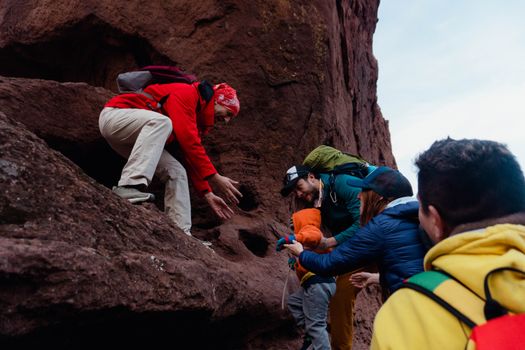 Photo: Elias Jara / Pexels
 Photo: RDNE Stock project / Pexels