Unlock Your Future: Benefits of Vocational Training Programs
benefits of vocational training programs

Unlock Your Future: Benefits of Vocational Training Programs

Gain practical skills, accelerate your career, and achieve financial independence faster with targeted vocational education.

Explore Programs Now

Key Takeaways

  • ✓ Over 70% of vocational program graduates find employment in their field within one year.
  • ✓ Many vocational programs can be completed in two years or less, compared to four-year degrees.
  • ✓ Skilled trades often offer higher starting salaries than some bachelor's degree professions.
  • ✓ Vocational training addresses critical labor shortages in essential industries across the US.

How It Works

1
Identify Your Passion & Career Goals

Research industries with demand for skilled workers and consider your personal interests. This initial exploration helps align your training with a fulfilling career path.

2
Choose a Specialized Program

Select a vocational training program that offers hands-on instruction and industry-recognized certifications. Look for accredited institutions with strong employer connections.

3
Immerse Yourself in Practical Learning

Engage fully in the curriculum, which emphasizes real-world application and skill development. Many programs include internships or apprenticeships for direct experience.

4
Launch Your Career with Confidence

Utilize career services offered by your institution to secure employment upon graduation. Your specialized skills will make you a highly desirable candidate in the job market.

Direct Path to In-Demand Careers: The Core Advantage of Vocational Education

A skilled welder wearing protective gear works on metal, emitting bright sparks and smoke. Photo: Kateryna Babaieva / Pexels
In an ever-evolving job market, the traditional four-year degree path isn't always the most efficient or effective route for everyone. Vocational training programs offer a compelling alternative, providing a direct and accelerated path to skilled, in-demand careers. Unlike broad academic degrees, vocational education is hyper-focused on specific trades and technical skills that employers actively seek. This targeted approach means that students spend less time on general education requirements and more time mastering the practical competencies essential for their chosen profession. From welding and electrical work to healthcare support and IT repair, these programs equip individuals with the precise knowledge and hands-on experience needed to step into a job and contribute immediately. The curriculum is designed in close consultation with industry leaders, ensuring that what is taught in the classroom directly reflects current industry standards and technological advancements. This relevance is a significant factor in the high employment rates observed among vocational graduates. They aren't just learning theories; they're acquiring the tools, techniques, and problem-solving abilities that make them valuable assets from day one. Furthermore, many vocational fields are experiencing significant labor shortages across the United States. This creates a robust job market for graduates, often leading to multiple job offers and competitive starting salaries. For instance, the Bureau of Labor Statistics consistently projects growth in occupations requiring vocational training, such as wind turbine technicians, home health aides, and various construction trades. These roles are essential to our infrastructure, healthcare system, and technological advancement, guaranteeing a steady demand for qualified professionals. The speed at which one can enter the workforce is another critical benefit. While a bachelor's degree typically takes four years, many vocational programs can be completed in a matter of months or up to two years. This expedited timeline means graduates can start earning a living sooner, accumulate less student debt, and begin building their careers and financial stability much earlier than their counterparts pursuing longer academic tracks. This immediate entry into the workforce is particularly attractive for individuals looking for a practical, results-oriented educational experience that delivers tangible career outcomes. The focus on practical application also fosters a deep understanding of the work. Students aren't just memorizing facts; they're engaging in simulations, workshops, and often real-world projects that solidify their skills. This hands-on learning environment is often preferred by those who thrive in active learning settings, providing a more engaging and effective educational experience. It cultivates not just technical prowess but also critical thinking, problem-solving, and adaptability—qualities highly valued by employers in any sector. Ultimately, vocational training programs serve as a vital pipeline for American industries, filling essential roles and empowering individuals with the skills to build prosperous and meaningful careers. Exploring these alternative education pathways is a smart move for anyone seeking a direct route to professional success.

Financial Advantages and Return on Investment in Vocational Training

Close-up of person counting cash with a calculator and paperwork on a desk. Photo: Tima Miroshnichenko / Pexels
One of the most compelling benefits of vocational training programs is their significant financial advantage and attractive return on investment (ROI). In an era where college debt has become a national concern, vocational education presents a more affordable and often faster route to financial independence. The cost of tuition for vocational programs is typically substantially lower than that of four-year university degrees. This reduced financial burden means students graduate with less debt, if any, allowing them to retain more of their early career earnings. For many, this affordability makes quality education accessible where a traditional university might be out of reach. Beyond lower tuition, the shorter program durations contribute significantly to financial savings. By completing a program in months or a couple of years, graduates enter the workforce and begin earning income much sooner. This not only minimizes the period of foregone income that often accompanies longer educational pursuits but also allows individuals to start building savings, investing, and achieving financial goals earlier in life. The opportunity cost of education—the income lost while studying—is dramatically reduced with vocational training. Moreover, many vocational fields boast competitive starting salaries, sometimes even surpassing those of certain bachelor's degree holders. Trades like plumbing, electrical work, HVAC technology, and specialized IT support are critical services that command fair compensation due to their specialized nature and the demand for skilled professionals. As graduates gain experience and potentially obtain advanced certifications, their earning potential continues to grow, often leading to six-figure incomes in established careers. The hands-on skills acquired are immediately applicable in the workplace, making graduates highly valuable to employers. This direct applicability translates into quicker job placement and often, better negotiation power for salaries. Employers are willing to pay for expertise that directly contributes to their bottom line, and vocational graduates bring exactly that. Furthermore, many vocational programs are eligible for various forms of financial aid, including federal grants, scholarships, and student loans, further reducing the out-of-pocket costs for students. Some programs even offer employer-sponsored training or apprenticeships, where students earn wages while learning, effectively eliminating tuition costs and providing an immediate income stream. This combination of lower costs, faster completion, and strong earning potential creates a powerful financial ecosystem for vocational graduates. They are often able to pay off any incurred debt quickly, build equity, and achieve financial stability at a younger age than their peers who pursue longer, more expensive academic paths. The investment in vocational training proves to be a wise financial decision for individuals seeking a practical, high-value education that yields tangible economic rewards. It empowers individuals to take control of their financial futures without being burdened by excessive student loan debt, fostering a sense of accomplishment and security.

Developing Practical Skills and Adaptability for Future Success

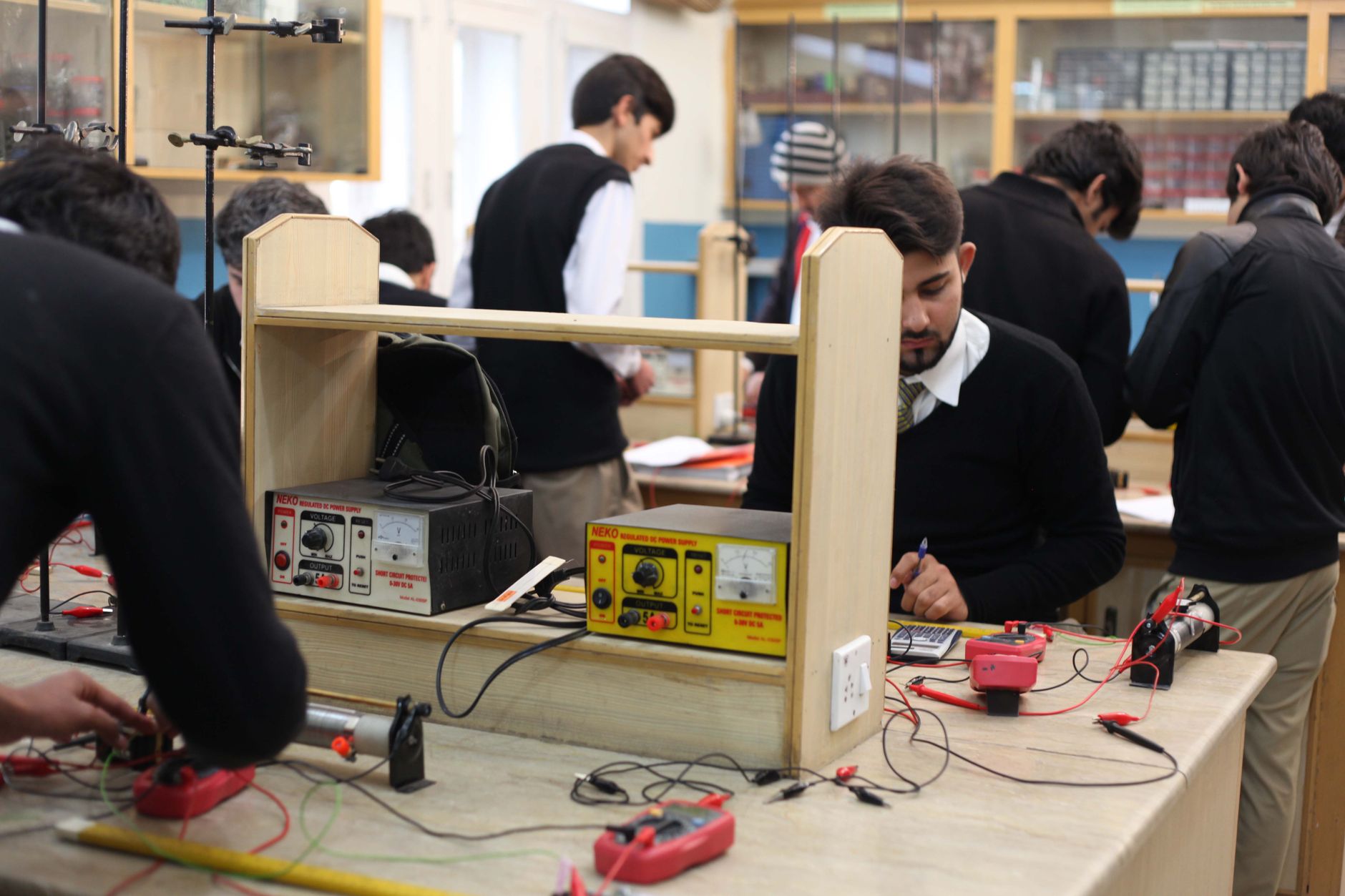
At the heart of vocational training programs lies the unwavering commitment to developing practical, job-specific skills. This focus on hands-on learning differentiates vocational education from more theoretical academic pursuits, ensuring graduates are not just knowledgeable but truly capable of performing the tasks required in their chosen profession. Students spend a significant portion of their time in labs, workshops, or real-world settings, actively engaging with the tools, equipment, and scenarios they will encounter on the job. This immersive approach is invaluable for building muscle memory, critical thinking under pressure, and problem-solving abilities that cannot be learned solely from textbooks. For example, an automotive technician student will spend hours diagnosing engine problems and performing repairs, rather than just reading about them. A culinary student will be in the kitchen, mastering techniques and recipes. This direct experience ensures a smooth transition from the learning environment to the professional workplace. Beyond the technical skills, vocational programs also cultivate crucial soft skills that are highly valued by employers. These include teamwork, communication, customer service, time management, and safety protocols. Working on projects with peers, interacting with instructors who often have industry experience, and adhering to strict safety standards are all integral parts of the vocational learning process. These interpersonal and professional skills are just as vital as technical proficiency for long-term career success and advancement. In a rapidly changing world, adaptability is paramount, and vocational training fosters this quality. While the core skills are specific, programs also emphasize foundational principles and problem-solving methodologies that allow graduates to adapt to new technologies and evolving industry practices. Continuous learning is often built into the vocational career path, with opportunities for advanced certifications and specialized training that keep professionals at the cutting edge of their fields. This empowers individuals to remain relevant and competitive throughout their careers. Many vocational fields, such as IT and healthcare, are constantly innovating. Vocational programs are designed to equip students with a robust foundation that allows them to embrace these changes, rather than be left behind. They learn how to learn new software, operate new machinery, and implement new procedures, making them resilient and future-proof professionals. Furthermore, the practical skills gained often open doors to entrepreneurship. Many skilled tradespeople eventually start their own businesses, leveraging their expertise and direct experience to become independent contractors or business owners. This entrepreneurial potential is a testament to the comprehensive and empowering nature of vocational education. It doesn't just prepare individuals for a job; it prepares them for a career path that can lead to leadership, innovation, and self-employment. The ability to work with one's hands, diagnose issues, and provide tangible solutions is a source of immense satisfaction and professional pride. For those who thrive on practical application and immediate results, vocational training offers a deeply rewarding educational experience. It’s about building a tangible skill set that empowers individuals to build, fix, and create, contributing directly to society and securing their own professional future. This emphasis on actionable knowledge and continuous development makes vocational education a powerful engine for personal and economic growth, fostering a workforce that is not only skilled but also resilient and innovative. Exploring these hands-on learning opportunities is a strategic choice for a dynamic career.

Choosing Your Path: Tips for Selecting the Right Vocational Program

Choosing the right vocational training program is a critical step towards a successful career. With numerous options available, making an informed decision requires careful consideration. Here are essential tips to guide you through the selection process and avoid common pitfalls. **Tips for Selecting the Right Program:** * **Research Industry Demand:** Before committing, thoroughly research job growth projections for your desired field in your region. The Bureau of Labor Statistics (BLS) is an excellent resource for this. Prioritize careers with high demand to ensure strong employment prospects upon graduation. * **Accreditation Matters:** Always verify the accreditation status of any institution or program you consider. Accreditation ensures that the program meets recognized standards of quality and that your credentials will be accepted by employers and, if applicable, for further education or licensing. Unaccredited programs may not provide valid qualifications. * **Curriculum Review:** Dive deep into the program's curriculum. Does it offer hands-on training, industry-specific software, and up-to-date techniques? A strong curriculum should align directly with the skills employers are currently seeking. Look for programs that include practical lab work, simulations, or even apprenticeships. * **Instructor Experience:** Investigate the qualifications and industry experience of the instructors. Learning from professionals who have worked in the field can provide invaluable insights, real-world context, and practical advice that textbook knowledge alone cannot. * **Job Placement Rates & Employer Connections:** Inquire about the program's job placement rates for graduates. A high placement rate indicates a strong curriculum and effective career services. Ask about the school's connections with local employers and if they facilitate internships or job interviews. * **Campus Visit & Tour:** If possible, visit the campus and take a tour of the facilities. Observe the workshops, labs, and equipment. A well-maintained and modern facility suggests a commitment to providing quality education and resources. * **Financial Aid & Costs:** Understand the total cost of the program, including tuition, fees, materials, and living expenses. Explore all available financial aid options, including federal grants, scholarships, and payment plans. Compare the ROI of different programs. * **Alumni Testimonials:** Seek out testimonials or speak with current students and recent graduates. Their firsthand experiences can offer valuable perspectives on the program's strengths and weaknesses, and the effectiveness of its career support. **Common Mistakes to Avoid:** * **Ignoring Accreditation:** This is perhaps the biggest mistake. Without proper accreditation, your diploma or certificate may be worthless to employers or licensing boards. * **Failing to Research Job Market:** Entering a program for a declining industry can lead to job search difficulties post-graduation. * **Overlooking Hidden Costs:** Beyond tuition, consider tools, uniforms, certification exam fees, and transportation. These can add up significantly. * **Not Visiting the School:** A school's website can look great, but a visit reveals the true learning environment and resources. * **Choosing Based Solely on Price:** While affordability is key, the cheapest program isn't always the best. A slightly more expensive program with better job placement or accreditation can offer a far superior long-term return.

Comparison

FeatureVocational Training4-Year University DegreeSelf-Taught/Online Courses
Program DurationMonths to 2 years4+ yearsVariable (often shorter)
Cost (Tuition)Lower to ModerateHighLow to Moderate
Hands-on ExperienceExtensiveLimited to InternshipsSelf-driven
Job Placement FocusHigh (specific trades)General (broad fields)Self-reliance
Debt AccumulationLowerHigherMinimal
Industry-Recognized Certifications✗ (often requires additional)✓ (some)
Immediate Earning PotentialStrongVariableVariable
Career FlexibilitySpecialized (can cross-train)Broad (can specialize later)Highly flexible

What Readers Say

"I chose a vocational program for medical assisting, and it was the best decision. I finished in 10 months, got certified, and was hired immediately. The practical skills I learned were exactly what clinics needed, proving the benefits of vocational training programs firsthand."

Sarah J. · Phoenix, AZ

"After struggling with college, I enrolled in an HVAC tech program. The hands-on learning clicked for me, and I appreciated the direct path to a good job. I'm now earning a great salary and love my work, thanks to the benefits of vocational training programs."

Mark D. · Dallas, TX

"The welding program transformed my career prospects. Within weeks of graduating, I had multiple job offers. The instructors were amazing, and the real-world projects prepared me perfectly for the demands of the industry. My income has increased by 40%."

Emily R. · Orlando, FL

"My IT support specialist program was solid, and I got a good entry-level job. While I wish there were a bit more advanced networking, the core skills were excellent, and the career services team was very helpful in my job search. Definitely a good value."

David L. · Seattle, WA

"As a single mom, I needed a quick, affordable way to a stable career. The paralegal program offered exactly that. The flexible schedule and practical focus allowed me to balance family and studies, leading to a fulfilling job in a law firm. The benefits of vocational training programs are life-changing."

Jessica M. · Boston, MA

Frequently Asked Questions

What are the primary benefits of vocational training programs compared to traditional college?

The primary benefits include a shorter program duration, lower tuition costs, a greater emphasis on hands-on practical skills, and a direct path to employment in high-demand fields. Graduates often enter the workforce faster with less debt and competitive starting salaries, addressing specific industry needs directly.

Are vocational training programs only for those who don't want to go to a four-year college?

Not at all. Vocational training is an excellent choice for anyone seeking a direct career path, practical skills, and faster entry into the workforce. It appeals to diverse individuals, including high school graduates, career changers, and those looking to upskill or reskill, regardless of their prior educational aspirations.

How do I find a reputable vocational training program in my area?

Start by researching accredited schools and programs through national accreditation bodies (e.g., ACCSC, COE). Check state licensing boards for specific trades. Look for programs with strong industry connections, high job placement rates, and positive alumni reviews. Visiting the campus is also highly recommended.

What is the typical cost of vocational training programs, and is financial aid available?

The cost varies widely by program and institution, but it is generally significantly less than a four-year university degree, often ranging from a few thousand to tens of thousands of dollars. Yes, financial aid is widely available, including federal Pell Grants, student loans, scholarships, and employer tuition assistance programs.

How do vocational training graduates compare to university graduates in terms of job prospects?

Vocational graduates often have excellent job prospects due to their specialized skills directly matching industry demand, particularly in skilled trades and technical fields experiencing labor shortages. While university graduates may have broader options, vocational graduates often secure employment faster in their specific field with competitive compensation.

Who benefits most from enrolling in vocational training programs?

Individuals who thrive in hands-on learning environments, prefer a direct and accelerated path to a specific career, are seeking to enter high-demand industries quickly, or want to avoid significant student loan debt often benefit most. It's ideal for those who value practical skills over theoretical knowledge for their professional journey.

Are vocational careers stable, or are they susceptible to economic downturns?

Many vocational careers, particularly in healthcare, infrastructure, and essential services (e.g., electricians, plumbers, HVAC technicians), are highly stable and often recession-resistant. These professions provide critical services that remain in demand regardless of economic fluctuations, offering long-term career security.

What are the future trends for vocational training and skilled trades?

Future trends indicate continued growth and increasing demand for skilled trades, driven by technological advancements (e.g., automation, green energy, smart building systems) and an aging workforce. Vocational training will evolve to incorporate new technologies, ensuring graduates are equipped for the jobs of tomorrow and remain highly relevant.

Ready to transform your career trajectory and secure a future in a high-demand industry? Explore the multitude of benefits of vocational training programs today and discover a path that aligns with your passions and professional goals. Your journey to practical skills, financial independence, and a fulfilling career starts now.

Topics: benefits of vocational training programscareer readinessskilled trades educationworkforce developmentalternative education pathways
Leo List
Brampton weed
Adultwork