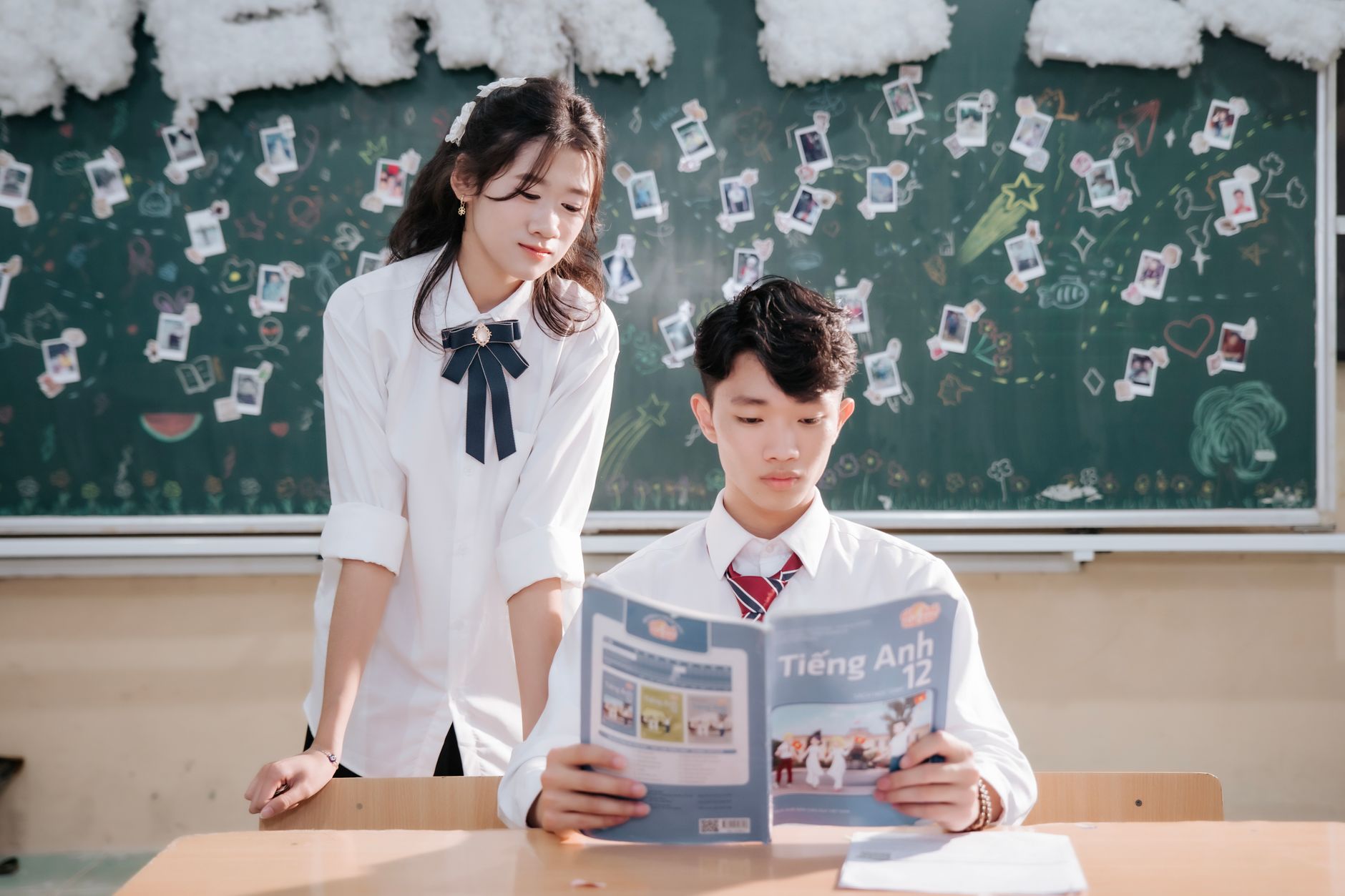
How to Buy College Textbooks Online Cheap & Save Big
buy college textbooks online cheap

How to Buy College Textbooks Online Cheap & Save Big

Unlock significant savings on your required readings with our expert strategies for finding affordable college textbooks.

Start Saving Now

Key Takeaways

  • ✓ Students spend an average of $600-$1200 annually on textbooks.
  • ✓ Renting textbooks can save up to 70% compared to buying new.
  • ✓ Digital textbooks often offer lower prices and instant access.
  • ✓ Price comparison tools are essential for finding the best deals.

How It Works

1
Gather Your Course Information

Before searching, compile a list of all required textbooks, including ISBNs, authors, and editions. This prevents purchasing the wrong materials and streamlines your search.

2
Utilize Price Comparison Websites

Input your textbook ISBNs into comparison sites to instantly view prices from dozens of retailers. This is the fastest way to identify the cheapest options for buying or renting.

3
Consider All Options: Rent, Used, Digital

Evaluate whether buying new, used, renting, or opting for a digital version best suits your budget and learning style. Each option presents unique advantages and cost savings.

4
Check Shipping & Return Policies

Always factor in shipping costs and understand return policies before finalizing a purchase. Unexpected fees can negate savings, and a clear return process is crucial for incorrect orders.

The High Cost of College Textbooks: A Student's Burden
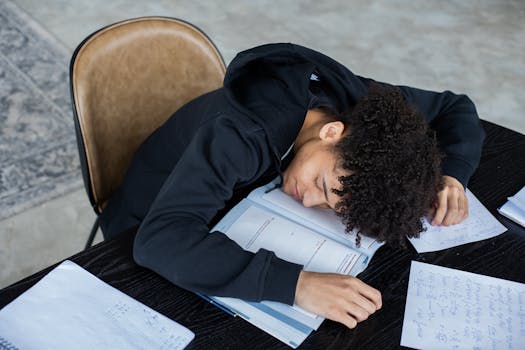
High angle of exhausted African American student resting on opened textbook and papers while preparing for exam Photo: Monstera Production / Pexels
For generations, college textbooks have been a significant financial hurdle for students across the United States. The rising cost of higher education is a well-documented issue, and textbooks contribute a substantial portion to this burden. It's not uncommon for a single required textbook to cost upwards of $200, and when multiplied by four or five courses per semester, the total can quickly spiral into the hundreds, even thousands, of dollars annually. This financial strain often forces students to make difficult choices, sometimes leading them to skip purchasing essential materials, which can negatively impact their academic performance. The traditional model of textbook publishing, with frequent new editions and bundled access codes, has historically favored publishers and college bookstores, leaving students with limited, often expensive, options. Many students enter their first year of college unaware of the true cost implications of their textbooks, only to be hit with sticker shock when they receive their course syllabi. This initial financial hit can set a negative tone for their academic journey, adding unnecessary stress and diverting focus from their studies. The challenge is particularly acute for students from lower-income backgrounds, for whom every dollar saved is critical. Without accessible and affordable textbook options, the promise of higher education becomes less attainable for a significant segment of the population. This article aims to dismantle this financial barrier by providing comprehensive strategies and resources to help you buy college textbooks online cheap. We understand the pressure and the need for practical, actionable advice that genuinely helps students save money without compromising their academic success. We'll explore various avenues, from renting and buying used to leveraging digital formats and utilizing specialized comparison tools, all designed to put more money back into your pocket. The goal is not just to find a cheaper book, but to empower students with the knowledge and tools to navigate the complex textbook market effectively and efficiently. By understanding the dynamics of the textbook industry and employing smart shopping tactics, students can significantly reduce their educational expenses, making college more affordable and their academic journey less financially stressful. This proactive approach to textbook acquisition is a vital skill for any modern college student, ensuring they have the necessary resources without breaking the bank. It's about being an informed consumer in an often predatory market, and our guide is your roadmap to becoming one.

Top Platforms to Buy College Textbooks Online Cheap
Black and white photo of neatly arranged books on shelves in a bookstore. Photo: Xuan Thanh Le / Pexels
The digital marketplace has revolutionized how students can access and afford their academic materials. Gone are the days when the campus bookstore was your only viable option. Today, a plethora of online platforms specialize in offering college textbooks at significantly reduced prices, whether through sales, rentals, or used copies. Knowing where to look is the first step towards substantial savings. Our exploration begins with major players like Amazon, often a go-to for many students due to its vast inventory and competitive pricing. Amazon offers new, used, and rental options, often with Prime shipping benefits that can further reduce costs. However, it's crucial to compare Amazon's prices with other dedicated textbook platforms, as their deals aren't always the absolute cheapest. Following Amazon, sites like Chegg and CampusBookRentals have carved out niches specifically for textbook rentals, providing an excellent solution for courses where you only need the book for a semester. These platforms offer flexible rental periods and often include free shipping for returns, making them highly convenient. For students who prefer to own their books, whether for future reference or to sell back later, websites such as AbeBooks and ValoreBooks are treasure troves for used copies. AbeBooks, in particular, aggregates listings from thousands of independent booksellers worldwide, often unearthing rare editions or incredibly low prices on standard texts. ValoreBooks also offers a robust comparison tool and a buyback program, adding another layer of value. Don't overlook textbook-specific search engines like BookFinder.com or CheapestTextbooks.com. These powerful tools allow you to input an ISBN and instantly compare prices across dozens of retailers, including those mentioned above, as well as smaller, specialized vendors. This streamlines the comparison process, ensuring you're getting the best possible deal without manually checking each site. Additionally, some publishers now offer direct-to-student sales of digital textbooks, which can sometimes bypass retailer markups. While not always the cheapest, it's worth investigating if a digital version is suitable for your learning style. Finally, consider peer-to-peer marketplaces like Facebook Marketplace or local student forums. While these require more caution due to the lack of buyer protection, they can sometimes yield exceptional deals from fellow students looking to offload their books quickly. By leveraging a combination of these platforms and strategies, students can navigate the complex textbook market with confidence, securing all necessary materials without breaking their budget. Each platform has its unique strengths, and a savvy student will utilize several in their quest for the best deals, transforming the daunting task of textbook acquisition into a manageable and cost-effective endeavor.

Renting vs. Buying Used vs. Digital: Which Saves You More?

Adult woman with eyeglasses reading a book and using a laptop at home. Photo: www.kaboompics.com / Pexels
The decision of whether to rent, buy used, or opt for a digital textbook is central to effectively buying college textbooks online cheap. Each option presents distinct advantages and disadvantages, and the 'best' choice often depends on the specific course, your learning preferences, and your long-term academic goals. Let's delve into the nuances of each to help you make an informed decision. Renting textbooks has emerged as one of the most popular and often most economical solutions. Platforms like Chegg, CampusBookRentals, and even Amazon offer extensive rental programs. The primary benefit is significant cost savings, often 50-70% less than buying new. You use the book for the semester and then return it, eliminating the hassle of reselling. This is ideal for general education courses or subjects you don't anticipate needing for future reference. However, drawbacks include not being able to highlight or write extensively in the book (though some services allow light markings), and the lack of ownership means you can't refer back to it later or sell it for a partial recoup of costs. It's crucial to return rented books on time to avoid late fees. Buying used textbooks is another excellent strategy for saving money. Websites like AbeBooks, ValoreBooks, and even eBay are fantastic resources. Used books are typically cheaper than new ones, and you retain ownership. This allows you to highlight, write notes, and keep the book for future reference or even sell it back at the end of the semester. The potential downside is that used books might show wear and tear, and sometimes previous owners' notes can be distracting or incorrect. More importantly, if your course requires an access code for online resources, a used book might not include it, forcing an additional purchase that could negate your savings. Always check the description carefully for included access codes. Digital textbooks, or e-textbooks, represent the modern frontier of academic materials. They offer instant access, portability (via e-readers, tablets, or laptops), and often come at a lower price point than physical new copies. Many digital versions include interactive features, search functions, and the ability to highlight and annotate digitally. They are also environmentally friendly. However, not all students thrive with digital learning; some prefer the tactile experience of a physical book, and prolonged screen time can cause eye strain. Furthermore, digital textbooks often come with licensing restrictions, meaning you might only have access for a limited time or on a specific number of devices, and reselling them is usually impossible. Some digital formats require specific software, which can be an inconvenience. For courses that heavily rely on online homework platforms, a digital textbook bundled with an access code might be the most convenient and cost-effective option. Ultimately, the best strategy involves a blend of these options. For core subjects you'll revisit, buying a used copy might be wise. For one-off electives, renting is often superior. For tech-heavy courses, a digital bundle could be the most integrated solution. Always compare prices across all three formats after gathering your course information and consider your personal learning style and future academic needs. This multi-faceted approach is key to maximizing your savings and ensuring you have the right materials for your academic success.

Smart Strategies & Common Mistakes When Buying College Textbooks
Close-up of a person calculating numbers at a desk with a pencil and laptop. Photo: www.kaboompics.com / Pexels
Navigating the world of college textbooks requires more than just knowing where to look; it demands a strategic approach to maximize savings and avoid common pitfalls. Here are some smart strategies to employ and critical mistakes to steer clear of when you aim to buy college textbooks online cheap: **Smart Strategies for Maximum Savings:** * **Start Early:** The earlier you begin your search, the better your chances of finding cheap used copies or securing rentals before inventory runs low. Waiting until the last minute drastically limits your options and drives up prices. * **Utilize ISBNs Reliably:** Always search using the exact 10 or 13-digit ISBN. Titles and authors can be similar, but the ISBN guarantees you're looking for the correct edition, which is crucial for compatibility with your course material. * **Check Your Syllabus Thoroughly:** Before purchasing anything, confirm that the textbook is absolutely required. Sometimes professors list 'recommended' texts that aren't essential for the course, saving you unnecessary expenses. * **Consider International Editions:** In some cases, international editions of textbooks are identical in content to their US counterparts but are significantly cheaper. Be sure to verify with your professor if an international edition is acceptable, as page numbering or minor examples might differ. * **Explore Library Resources:** Your university library might have copies of required textbooks available for loan. While often in high demand, it's a completely free option worth exploring, especially for supplementary readings. * **Form Study Groups:** If a textbook is particularly expensive and not heavily used for daily assignments, consider pooling resources with classmates to buy one copy to share. **Common Mistakes to Avoid:** * **Ignoring Shipping Costs:** A seemingly cheap textbook can become expensive if shipping fees are exorbitant. Always factor in shipping when comparing prices. * **Overlooking Return Policies:** What if you drop a class or receive the wrong book? Ensure you understand the seller's return policy, including deadlines and conditions, before making a purchase. * **Buying New Without Comparison:** Unless absolutely necessary (e.g., specific access codes), always compare the price of a new book against used, rented, and digital versions. New is almost never the cheapest option. * **Not Checking for Bundles:** Sometimes, a textbook is bundled with an access code or workbook. Buying these separately can be more expensive than purchasing a complete bundle, even if the initial textbook price seems higher. Confirm what your course requires. * **Assuming All Digital is Cheaper:** While often true, digital textbooks aren't always the cheapest. Sometimes a used physical copy or a rental can be more cost-effective. Always compare. * **Disregarding Reviews for Sellers:** Especially on marketplaces, always check seller reviews and ratings. This helps avoid unreliable sellers, incorrect editions, or damaged books. By proactively implementing these strategies and consciously avoiding these common errors, you can significantly reduce your textbook expenses and ensure you're well-equipped for academic success without financial strain.

Comparison

FeatureRent TextbooksBuy Used TextbooksBuy New TextbooksDigital Textbooks
Initial CostLowMedium-LowHighMedium-Low
OwnershipNoYesYesLimited/No
Resale Potential✓ (if in good condition)✓ (if in good condition)
Highlighting/NotesLimited✓ (digital)
Access Codes IncludedOften (check)RarelyOftenOften (bundled)
ConvenienceHighMediumHighVery High
Environmental ImpactLowLowHighLow

What Readers Say

"I used to dread buying textbooks, but following this guide helped me save almost $400 this semester! I rented two books and found a used copy for another for pennies on the dollar. Highly recommend these strategies to buy college textbooks online cheap."

Sarah J. · Austin, TX

"The comparison sites mentioned here are game-changers. I literally saved hours of searching and found my calculus textbook for less than half price. It's amazing how much you can save when you know where to look."

David M. · Columbus, OH

"Thanks to these tips, I was able to get all my required books for under $150, which is unheard of for my major. The advice on checking ISBNs and considering international editions was particularly helpful. This truly allows you to buy college textbooks online cheap."

Emily R. · Seattle, WA

"While most of the advice was excellent, I did find that a couple of my niche textbooks were still quite expensive, even after exhaustive searching. However, for my general education courses, the savings were substantial. A solid resource overall."

Michael T. · Boston, MA

"As a non-traditional student on a tight budget, finding ways to cut costs is crucial. This guide provided practical, easy-to-follow steps that made buying my textbooks stress-free and affordable. I wish I had this resource years ago!"

Jessica L. · Phoenix, AZ

Frequently Asked Questions

What is the absolute cheapest way to get college textbooks?

The absolute cheapest way often involves a combination of strategies: checking your university library for free loans, utilizing peer-to-peer marketplaces, or finding deeply discounted used international editions. Renting is usually the cheapest option for required books you won't need long-term.

Is it safe to buy used textbooks online?

Yes, it is generally safe to buy used textbooks online from reputable platforms like Amazon, AbeBooks, or ValoreBooks. Always check seller ratings and reviews, read product descriptions carefully for condition and included materials (like access codes), and understand the return policy to ensure a secure transaction.

How do I ensure I'm buying the correct textbook edition?

To ensure you buy the correct textbook edition, always use the exact 10 or 13-digit ISBN (International Standard Book Number) provided by your professor or on your course syllabus. ISBNs are unique to each edition and format, preventing costly mistakes.

Are digital textbooks always cheaper than physical ones?

No, digital textbooks are not always cheaper. While often more affordable than new physical copies, a used physical textbook or a rental can sometimes be less expensive. It's crucial to compare prices across all formats for every book on your list.

How do textbook rental services work compared to buying?

Textbook rental services allow you to use a physical or digital textbook for a specific period (usually a semester) for a fraction of the purchase price. You return the book at the end of the rental period. Buying, conversely, means you own the book outright and can keep it or resell it later.

Who should prioritize renting textbooks over buying?

Students taking general education courses, electives, or subjects they don't plan to revisit after the semester should prioritize renting textbooks. It's also ideal for those on a strict budget who need to minimize upfront costs and don't require the book for long-term reference.

What if my textbook requires an access code for online homework?

If your textbook requires an access code, verify if it's included with your purchase or rental. Used books rarely come with valid codes, often necessitating a separate, expensive purchase. In such cases, buying a new bundle or a digital version with the code might be the most cost-effective solution.

Will textbook prices continue to rise, or are there cheaper options emerging?

While traditional textbook prices have historically risen, the market is shifting. The proliferation of online rental services, digital textbooks, open educational resources (OERs), and increasing awareness among students are driving more affordable options. Expect continued innovation in cost-saving alternatives.

Don't let expensive textbooks derail your academic journey. By applying these proven strategies, you can confidently buy college textbooks online cheap, saving hundreds of dollars each semester. Start your search today and make smart, budget-friendly choices for your education.

Topics: buy college textbooks online cheapcheap textbooks onlinecollege textbook savingsrent college textbooksused college textbooks
Leo List
Brampton weed
Adultwork EstrelaBet Vai de Bet R7 Bet Betão Galera Bet Rainbet Bet9ja Shop SportyBet BetKing Sisal Loto Foot Hollywoodbets YesPlay Odibets RushBet Jugabet BetWarrior BetCity MSport betPawa Fortebet