Cannabis for Pain Relief in Toronto: Your Comprehensive Guide
Cannabis for pain relief in Toronto

Cannabis for Pain Relief in Toronto: Your Comprehensive Guide

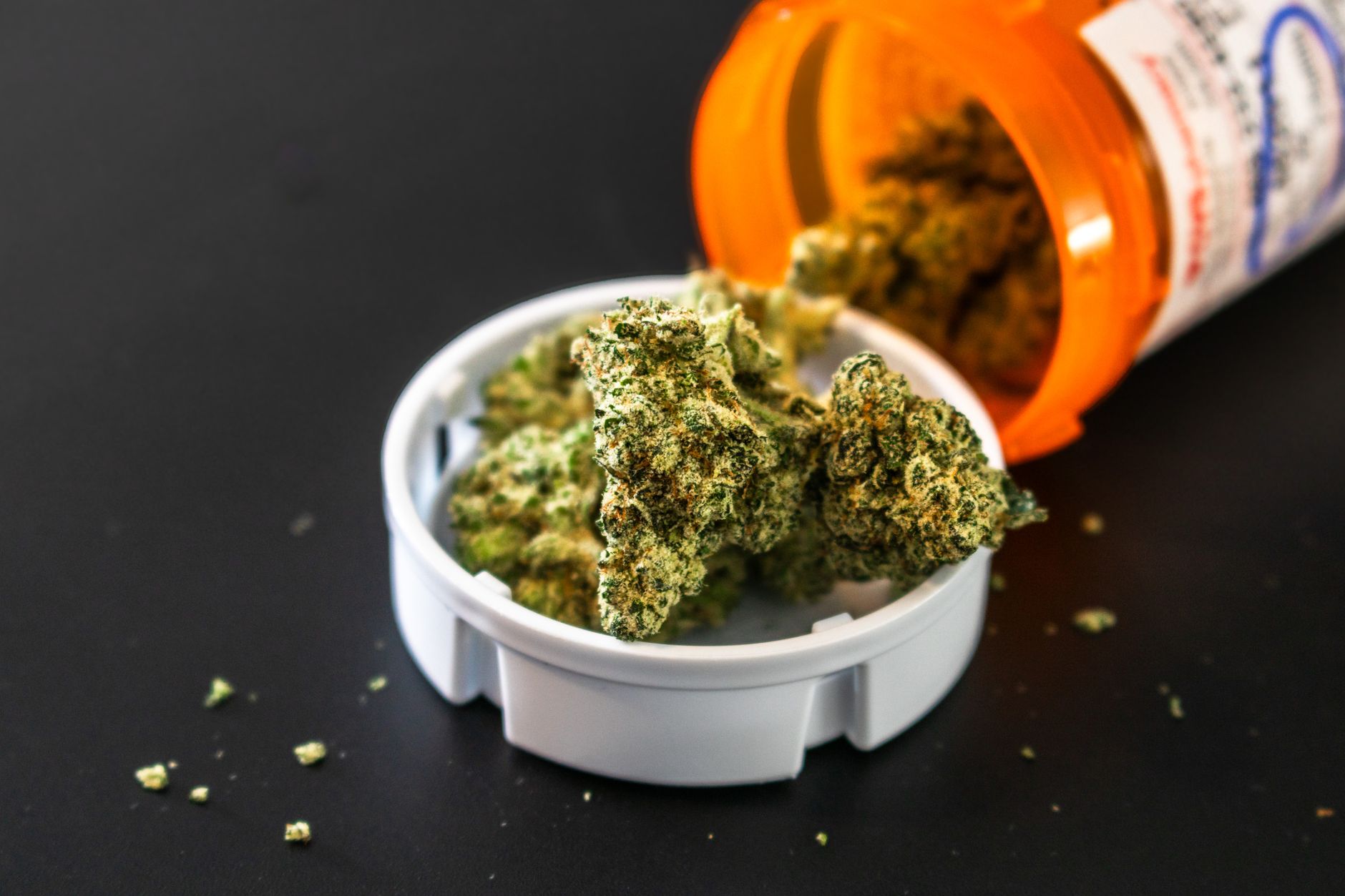
Close-up of medical cannabis spilling from an orange prescription bottle onto a surface.Photo: Terrance Barksdale / Pexels

Cannabis for Pain Relief in Toronto: Your Comprehensive Guide

Unlock the potential of medical cannabis for managing chronic pain in Toronto, navigating regulations and finding effective solutions.

Start Your Journey

Key Takeaways

  • ✓ Medical cannabis is legal in Canada, including Toronto, for qualifying conditions.
  • ✓ A healthcare practitioner's authorization is required to access medical cannabis.
  • ✓ Different cannabis strains and cannabinoids (THC, CBD) offer varied pain relief profiles.
  • ✓ Dosage and consumption methods significantly impact efficacy and side effects.

How It Works

1
Consult a Healthcare Professional

Discuss your pain management needs and history with a doctor or specialist. They will assess if medical cannabis is a suitable option for your condition.

2
Obtain Medical Authorization

If deemed appropriate, your healthcare practitioner will provide a medical document authorizing cannabis use. This document is crucial for legal access.

3
Register with a Licensed Producer or Health Canada

With your medical document, you can register with a Health Canada-licensed producer (LP) to purchase medical cannabis directly, or register with Health Canada to grow your own.

4
Access and Consume Responsibly

Purchase your prescribed cannabis products from your chosen LP. Always follow dosage recommendations and consumption methods provided by your healthcare team to ensure safety and effectiveness.

Understanding Medical Cannabis for Chronic Pain Management in Toronto

Variety of pills, herbs, and chemical glassware on a white table.Photo: MART PRODUCTION / Pexels
Chronic pain affects millions worldwide, significantly impacting quality of life, productivity, and mental well-being. For many years, conventional treatments have included pharmaceuticals like opioids, NSAIDs, and antidepressants, each with their own set of benefits, limitations, and potential side effects. However, as research into the endocannabinoid system (ECS) has expanded, medical cannabis has emerged as a promising alternative or complementary therapy, particularly for those who have not found sufficient relief from traditional methods or wish to reduce their reliance on certain medications. In Toronto, the availability of medical cannabis for pain relief has provided a new avenue for patients seeking relief. The legal framework in Canada allows for regulated access, making it essential for prospective users to understand the science behind its efficacy, the types of cannabis available, and the legal pathways to access it. The human body possesses an intricate system called the endocannabinoid system (ECS), which plays a crucial role in regulating various physiological processes, including pain sensation, mood, appetite, and sleep. The ECS consists of endocannabinoids (naturally produced cannabis-like molecules), receptors (CB1 and CB2), and enzymes that synthesize and break down endocannabinoids. Phytocannabinoids, such as THC (tetrahydrocannabinol) and CBD (cannabidiol) found in the cannabis plant, interact with these receptors, modulating their activity and, consequently, influencing pain perception. THC is primarily responsible for the psychoactive effects of cannabis but also possesses significant analgesic properties. It interacts with both CB1 receptors (found predominantly in the brain and central nervous system) and CB2 receptors (found mainly in the immune system and peripheral tissues) to reduce pain signals and inflammation. CBD, on the other hand, is non-psychoactive and works through different mechanisms, including indirect interaction with cannabinoid receptors, modulation of other receptor systems (like serotonin receptors), and anti-inflammatory effects. Its ability to mitigate pain without inducing a 'high' makes it particularly appealing to many patients. For residents of Toronto dealing with chronic pain, understanding the distinction between THC and CBD is paramount. A balanced approach, often involving products with varying ratios of these cannabinoids, can be highly effective. Some patients find relief with higher THC content, particularly for neuropathic pain or severe chronic conditions, while others prefer CBD-dominant products for inflammatory pain or when seeking to avoid psychoactive effects. The 'entourage effect' is another critical concept, suggesting that the various compounds in the cannabis plant—cannabinoids, terpenes, and flavonoids—work synergistically to enhance therapeutic benefits and mitigate potential side effects, offering a more holistic relief than isolated compounds. This complex interaction underscores why full-spectrum cannabis products are often preferred over isolates for many individuals seeking comprehensive pain management. Choosing the right product requires careful consideration of one's specific pain profile, individual tolerance, and desired outcomes, ideally under the guidance of a qualified healthcare professional. Further information on different types of cannabis can be found here: understanding cannabis strains. Navigating the landscape of cannabis for pain relief in Toronto also involves understanding the different consumption methods. These include inhalation (smoking or vaping), oral ingestion (oils, edibles, capsules), and topical application (creams, balms). Each method has a distinct onset time, duration of effect, and bioavailability, making the choice dependent on the type of pain, desired speed of relief, and personal preference. For instance, inhalation offers rapid onset, suitable for acute pain flares, while oral methods provide longer-lasting relief, ideal for chronic, persistent pain. Topicals are excellent for localized pain without systemic effects. The diverse options available mean that patients can tailor their treatment to their unique needs, optimizing both efficacy and comfort. Understanding these nuances is a key component of successful pain management with cannabis, ensuring that Toronto residents can make informed choices about their health and well-being. The legal framework in Canada is designed to facilitate safe and responsible access, but patient education remains the cornerstone of effective self-care in this evolving field.

Navigating the Legal and Access Pathways for Medical Cannabis in Toronto

Top view of a stethoscope and pen on a green notepad, ideal for medical and educational themes.Photo: Tessy Agbonome / Pexels
Accessing medical cannabis for pain relief in Toronto, while legal, requires navigating a specific set of regulations and procedures. Canada's Cannabis Act, implemented in 2018, legalized recreational cannabis but also maintained a distinct medical cannabis program under the Cannabis Regulations. This distinction is crucial for patients seeking cannabis for therapeutic purposes, as the medical stream offers specific protections, access to higher potency products, and often, professional guidance not typically available in the recreational market. For Toronto residents, understanding these pathways ensures legal compliance and optimal therapeutic outcomes. The first and most critical step is obtaining a medical document from a licensed healthcare practitioner. To qualify for medical cannabis, an individual must consult with a healthcare professional (doctor or nurse practitioner) who is authorized to prescribe cannabis. This consultation typically involves a thorough review of the patient's medical history, current pain conditions, previous treatments, and an assessment of whether cannabis is an appropriate and safe treatment option. Conditions commonly considered for medical cannabis authorization for pain include chronic neuropathic pain, fibromyalgia, arthritis, multiple sclerosis, and cancer-related pain. During this consultation, the healthcare professional will discuss potential benefits, risks, and appropriate dosages. They will also determine the daily gram amount of dried cannabis or its equivalent in other forms (oils, edibles) that the patient is authorized to possess and purchase. Several clinics in Toronto specialize in medical cannabis assessments, providing a dedicated and knowledgeable resource for patients. Once a medical document is obtained, patients have several options for legally acquiring their medical cannabis. The most common method is to register with a Health Canada-licensed producer (LP). These LPs are regulated by Health Canada and are authorized to cultivate, process, and sell medical cannabis directly to registered patients. Patients can typically register with one or more LPs by submitting their medical document and personal information. LPs offer a wide range of products, including dried flower, oils, capsules, edibles, and topicals, often with detailed cannabinoid and terpene profiles, allowing for precise product selection. Many LPs also provide patient education resources and support services. The convenience of online ordering and direct delivery to one's home is a significant advantage of this system for Toronto residents. Another pathway, though less common for new patients seeking immediate relief, is to apply to Health Canada to grow cannabis for their own medical purposes or designate someone to grow it for them. This option requires a more involved application process and a significant commitment to cultivation but offers complete control over the product. Regardless of the chosen pathway, strict adherence to the authorized amounts and consumption guidelines is paramount. It's also important to note that while recreational cannabis is widely available in Toronto through provincially licensed dispensaries, the medical stream offers distinct advantages, including potential tax benefits, access to higher potency products, and personalized guidance from healthcare professionals. These advantages underscore why patients seeking cannabis for pain relief should prioritize the medical pathway. Understanding these nuances empowers Toronto residents to make informed choices about accessing medical cannabis safely and effectively, ensuring they remain within the legal framework while pursuing relief.

You may also find Weed Dank useful.

Choosing the Right Cannabis Product and Consumption Method for Your Pain
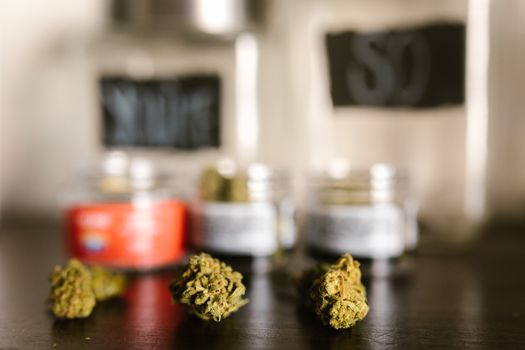
Macro shot of cannabis buds with blurred glass jars in the background, emphasizing texture and color.Photo: RDNE Stock project / Pexels
The effectiveness of cannabis for pain relief in Toronto largely depends on selecting the appropriate product and consumption method tailored to an individual's specific pain profile and lifestyle. With the vast array of cannabis products available through licensed producers, this decision can feel overwhelming. However, by understanding the key differences in product types, cannabinoid ratios, and delivery mechanisms, patients can make informed choices that maximize therapeutic benefits while minimizing potential side effects. The guidance of a healthcare professional specializing in cannabis is invaluable during this selection process, as they can help navigate the complexities and recommend personalized approaches. Exploring different cannabis products can further enhance your understanding. When considering cannabis for pain, the primary cannabinoids, THC and CBD, are central to product selection. THC is known for its potent analgesic and anti-inflammatory properties, often providing significant relief, especially for severe or neuropathic pain. However, its psychoactive effects can be a deterrent for some. CBD, on the other hand, offers pain relief through anti-inflammatory and anxiolytic (anxiety-reducing) actions without the 'high.' Many patients find a balanced approach, utilizing products with varying THC:CBD ratios, to be most effective. For instance, a 1:1 THC:CBD product might offer a good balance of pain relief and manageable psychoactive effects, while a CBD-dominant product might be preferred for daytime use or for individuals sensitive to THC. Beyond these two, minor cannabinoids like CBG (cannabigerol) and CBN (cannabinol) are also being researched for their potential pain-relieving properties, further expanding the therapeutic options. Terpenes, the aromatic compounds found in cannabis, also play a significant role in the plant's therapeutic effects through the aforementioned 'entourage effect.' Specific terpenes like myrcene, caryophyllene, and limonene have demonstrated anti-inflammatory, analgesic, and anxiolytic properties. Therefore, when selecting a product, looking beyond just THC and CBD percentages to consider the terpene profile can lead to more targeted and effective pain relief. Licensed producers often provide detailed lab reports listing cannabinoid and terpene content, enabling patients to make highly informed decisions based on their desired effects and previous experiences. Consumption methods are equally critical. Inhalation (vaping or smoking dried flower) offers the fastest onset of effects, typically within minutes, making it suitable for acute pain flares or breakthrough pain. However, the effects are also shorter-lived. Oral ingestion, through oils, capsules, or edibles, provides a delayed onset (30 minutes to 2 hours) but offers a much longer duration of action (4-8 hours), which is ideal for managing chronic, persistent pain throughout the day or night. Topical applications (creams, balms, transdermal patches) deliver localized relief directly to affected areas without systemic psychoactive effects, perfect for muscle aches, joint pain, or skin conditions. Each method has its pros and cons regarding convenience, discretion, and impact on the lungs or digestive system. Patients in Toronto should experiment, under medical guidance, to find the method that best suits their pain management needs and lifestyle. Starting with low doses and gradually increasing (titration) is a universally recommended strategy to find the optimal therapeutic window and minimize adverse effects, ensuring a safe and effective journey with cannabis for pain relief. The personalized nature of cannabis treatment underscores the importance of ongoing communication with healthcare providers and a willingness to explore different options.

Tips for Safe and Effective Cannabis Use for Pain in Toronto

A cannabis leaf with the word 'cannabis' spelled out in letter tiles on a beige background.Photo: Alesia Kozik / Pexels
Using cannabis for pain relief in Toronto effectively and safely involves more than just obtaining a medical document; it requires responsible practices and an informed approach. Adhering to best practices can significantly enhance therapeutic outcomes while minimizing potential risks and side effects. Here are crucial tips for Toronto residents considering or currently using medical cannabis for pain: * **Start Low and Go Slow (Titration):** This is perhaps the most important rule. Begin with a very low dose of cannabis, especially if you are new to it or trying a new product. Gradually increase the dose over several days or weeks until you find the minimum effective dose that provides relief with acceptable side effects. This approach helps your body adjust and prevents overconsumption, particularly with THC-containing products. * **Keep a Detailed Journal:** Document your cannabis use, including the product name, cannabinoid ratio, dosage, consumption method, time of day, type and severity of pain, and any effects (positive or negative). This journal will be an invaluable tool for you and your healthcare provider to identify what works best and to track your progress over time. * **Understand Different Consumption Methods:** * **Inhalation (Vaping/Smoking):** Fastest onset (minutes), shorter duration (2-4 hours). Good for acute pain. Vaping is generally considered less harmful than smoking. * **Oral (Oils, Capsules, Edibles):** Slower onset (30 minutes to 2 hours), longer duration (4-8 hours). Ideal for chronic, persistent pain management. Edibles can have a delayed and more intense effect, so caution is advised. * **Topical (Creams, Balms):** Localized relief without systemic effects. Excellent for muscle soreness or joint pain. * **Be Aware of Potential Side Effects:** Common side effects include dry mouth, red eyes, dizziness, drowsiness, and impaired coordination. Higher doses of THC can lead to anxiety, paranoia, or increased heart rate. Always be mindful of how cannabis affects you and avoid activities requiring full attention (like driving) until you understand its effects. * **Avoid Mixing with Other Substances:** Combining cannabis with alcohol, opioids, or other sedatives can amplify side effects and increase risks. Always discuss all medications and supplements you are taking with your healthcare provider. * **Store Safely:** Keep all cannabis products out of reach of children and pets, ideally in a locked container. Store in a cool, dark place to maintain potency and freshness. * **Regular Follow-ups with Your Healthcare Provider:** Your medical cannabis journey should be an ongoing dialogue with your doctor or cannabis clinic. Regular check-ups allow for dose adjustments, product changes, and monitoring for any long-term effects or interactions. * **Purchase from Licensed Sources:** Always obtain your medical cannabis from a Health Canada-licensed producer or authorized medical cannabis clinic. This ensures product quality, safety, and accurate labeling of cannabinoid content. * **Educate Yourself Continuously:** The field of medical cannabis is constantly evolving. Stay informed about new research, products, and best practices. Resources from Health Canada, reputable medical cannabis clinics, and patient advocacy groups can be very helpful. By following these guidelines, Toronto residents can approach cannabis for pain relief with confidence, maximizing its therapeutic potential while ensuring a safe and responsible experience. Open communication with healthcare professionals is key to navigating this path successfully.

Comparison

FeatureMedical CannabisOpioid PainkillersNSAIDs (e.g., Ibuprofen)
Mechanism of ActionInteracts with Endocannabinoid SystemBinds to Opioid ReceptorsInhibits Prostaglandin Synthesis
Psychoactive Effects (THC)Can be present (dose-dependent)NoNo
Addiction PotentialLow (dependence possible)HighLow
Common Side EffectsDry mouth, dizziness, fatigueNausea, constipation, sedationStomach upset, kidney issues
Long-term RisksRespiratory issues (smoking), cognitive effectsTolerance, dependence, overdoseGastric ulcers, cardiovascular risk
Legal Status (Toronto)Legal with medical documentPrescription requiredOver-the-counter/Prescription

What Our Readers Say

5 ★★★★★

"For years, my fibromyalgia pain was debilitating. Using cannabis for pain relief in Toronto, specifically a high-CBD oil, has drastically reduced my daily discomfort and improved my sleep quality without the heavy side effects of traditional meds."

5 ★★★★★

"I was skeptical about cannabis for my chronic back pain, but after consulting a clinic in Toronto, I found a balanced THC/CBD product that truly helps. It allows me to be more active and enjoy life again, something I hadn't felt in years."

5 ★★★★★

"The localized pain in my knee from arthritis was unbearable. A cannabis topical balm I got through my licensed producer in Toronto provides immediate and significant relief, letting me move more freely throughout the day."

4 ★★★★☆

"While cannabis has been effective for my neuropathic pain, finding the right dose took some trial and error. The support from my Toronto cannabis clinic was crucial, and now I have a routine that works, even if it wasn't instant."

5 ★★★★★

"As a chef, standing all day caused immense foot pain. A low-dose cannabis edible before bed, sourced through my medical authorization in Toronto, helps me recover and reduces inflammation, making mornings much more bearable."

Frequently Asked Questions

What types of pain can cannabis help with in Toronto?
Cannabis has shown promise in alleviating various types of chronic pain, including neuropathic pain, inflammatory pain (e.g., arthritis), cancer-related pain, and pain associated with conditions like fibromyalgia and multiple sclerosis. Its effectiveness can vary depending on the individual and the specific cannabis product used.
Will I get 'high' if I use cannabis for pain relief?
Whether you experience a 'high' depends on the type of cannabis product and its THC content. CBD-dominant products are non-psychoactive and will not produce a 'high.' THC-containing products, especially at higher doses, can cause psychoactive effects. Many patients find relief with balanced THC:CBD ratios that minimize the intoxicating effects while maximizing pain relief.
How do I get a medical cannabis authorization in Toronto?
To get a medical cannabis authorization in Toronto, you need to consult with a licensed healthcare practitioner (doctor or nurse practitioner). They will assess your condition and, if appropriate, provide you with a medical document. You can find clinics in Toronto that specialize in medical cannabis consultations.
How much does medical cannabis for pain relief cost in Toronto?
The cost of medical cannabis varies significantly based on the product type, potency, and licensed producer. Prices can range from $5 to $15 per gram for dried flower, with oils and other derivatives priced accordingly. Some private health insurance plans may offer coverage, and it is also eligible for the medical expense tax credit.
Is medical cannabis better than recreational cannabis for pain relief?
For pain relief, medical cannabis often offers advantages over recreational cannabis. The medical stream provides access to higher potency products, a wider range of cannabinoid ratios, and crucially, professional guidance from healthcare providers on dosing and product selection. It also allows for potential tax benefits and specific legal protections not available with recreational use.
Who should consider using cannabis for pain relief in Toronto?
Individuals suffering from chronic pain conditions who have not found adequate relief from conventional treatments, or who experience significant side effects from traditional medications, might consider cannabis for pain relief. It is particularly relevant for those with neuropathic pain, inflammatory conditions, and certain types of persistent musculoskeletal pain, always under medical supervision.
Are there any risks or side effects associated with cannabis for pain?
Yes, like any medication, cannabis can have side effects. Common ones include dry mouth, red eyes, dizziness, and fatigue. Higher THC doses can lead to anxiety, paranoia, or impaired cognition. Long-term risks, especially with smoking, can include respiratory issues. It's crucial to discuss your medical history with your doctor to assess potential risks and interactions.
What are the future trends for cannabis pain relief in Toronto?
Future trends in cannabis pain relief in Toronto are likely to involve more targeted research into specific cannabinoid and terpene profiles for various pain types, the development of novel delivery methods (e.g., precise transdermal patches), and increased integration into mainstream pain management protocols as medical understanding grows. Personalized medicine, guided by genetic and individual responses, will also play a larger role.

Embark on a journey to better pain management with cannabis for pain relief in Toronto. Consult a healthcare professional today to explore if medical cannabis is the right solution for your chronic pain needs and reclaim your quality of life.

Topics: Cannabis for pain relief in Torontomedical cannabis Torontochronic pain management Torontocannabis clinics TorontoCBD for pain Toronto
Leo List
Brampton weed
Adultwork