
Distance Learning vs Traditional Education: Which is Best?
Uncover the ideal learning path for your goals, lifestyle, and career aspirations in today's evolving educational landscape.
Find Your PathKey Takeaways
- ✓ Distance learning offers unparalleled flexibility and often lower costs.
- ✓ Traditional education provides structured environments and immediate social interaction.
- ✓ Both methods can lead to successful academic and career outcomes.
- ✓ The 'best' option depends heavily on individual learning styles and life circumstances.
How It Works
Determine if you thrive with independent study and self-pacing (distance learning) or prefer direct instruction and group activities (traditional). Understanding your natural inclinations is crucial for success.
Consider work commitments, family responsibilities, and geographic location. Distance learning accommodates busy schedules, while traditional education requires physical presence and fixed timings.
Investigate specific programs and institutions. Look for accreditation, curriculum quality, and support services available for both online and on-campus options that align with your academic goals.
Analyze tuition fees, living expenses, and potential income upon graduation for both modalities. Factor in scholarships, financial aid, and career prospects to make a financially sound decision.
Understanding Traditional Education: The Enduring Model
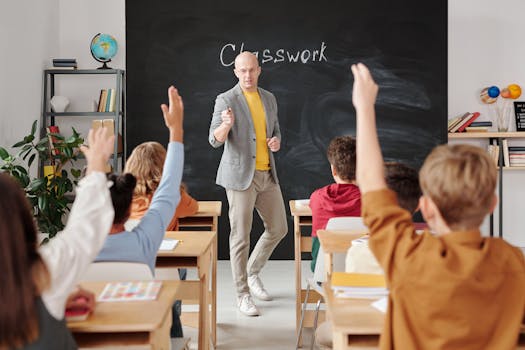 Photo: Max Fischer / Pexels
The Rise of Distance Learning: Flexibility and Accessibility
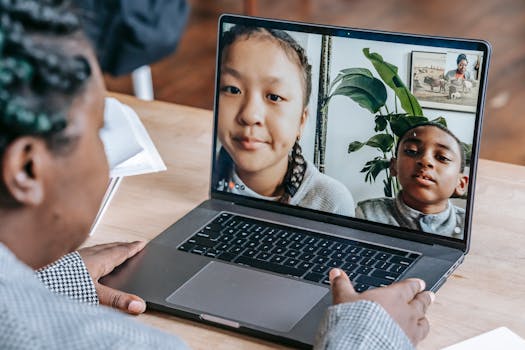 Photo: Katerina Holmes / Pexels
Comparing Key Aspects: Making an Informed Choice
 Photo: RDNE Stock project / Pexels
Navigating the Decision: Tips for Choosing Your Path
 Photo: freestocks.org / Pexels
Comparison
| Feature | Traditional Education | Distance Learning |
|---|---|---|
| Flexibility | Fixed schedule, physical presence required | Self-paced, location-independent |
| Cost (Average) | Higher (tuition, housing, transport) | Lower (tuition, fewer ancillary fees) |
| Social Interaction | High, in-person community | Moderate, virtual communities |
| Learning Environment | Structured classroom, campus resources | Independent, technology-driven |
| Self-Discipline Required | Moderate (external structure helps) | High (self-motivation crucial) |
| Access to Resources | Immediate physical access (library, labs) | Digital access (e-libraries, virtual labs) |
| Networking Opportunities | Strong in-person professional/peer | Strong virtual professional/peer |
| Ideal For | Structured learners, holistic campus experience | Self-starters, busy professionals, remote access |
What Readers Say
"Choosing distance learning allowed me to complete my degree while working full-time. The flexibility was a game-changer, and I still felt connected to my professors and classmates through discussion boards and video calls. It was tough, but incredibly rewarding."
Sarah J. · Austin, TX"Traditional education was perfect for me. The campus environment, the ability to walk to class, and the immediate feedback from professors made all the difference. I loved the social aspect and building friendships that will last a lifetime."
Michael D. · Boston, MA"My online master's program from a top university gave me the exact career boost I needed without relocating. I secured a promotion shortly after graduating, proving that the quality of education matters more than the delivery method."
Jessica L. · San Francisco, CA"I initially struggled with the self-discipline needed for distance learning, but once I found my rhythm, it was incredibly empowering. I do miss some of the spontaneous interactions of a physical classroom, but the convenience for my family was worth it."
David P. · Orlando, FL"As a non-traditional student returning to school, traditional evening classes offered the perfect blend of structure and flexibility. I appreciated the direct connection with instructors and the ability to ask questions in real-time after a long day at work."
Emily R. · Chicago, ILFrequently Asked Questions
What is the main difference between distance learning and traditional education?
The primary distinction lies in the delivery method and physical presence. Traditional education involves in-person classes on a physical campus with fixed schedules, fostering direct interaction. Distance learning, conversely, utilizes online platforms, offering flexibility in location and time, often requiring more self-motivation and digital literacy.
Is an online degree as respected as a traditional degree by employers?
Yes, increasingly so. Employer perception has evolved significantly. As long as the online program is from an accredited institution and provides a rigorous curriculum, most employers value the knowledge and skills gained, irrespective of the delivery method. The focus is shifting to competency and practical application.
How do I know if distance learning is right for me?
Distance learning is typically suitable for self-motivated individuals with good time management skills who can work independently. It's ideal for those with busy schedules, geographical constraints, or a preference for a flexible learning pace. Consider your learning style and capacity for self-discipline.
What are the cost differences between distance learning and traditional education?
Distance learning often has lower overall costs as it typically eliminates expenses like on-campus housing, meal plans, and daily commuting. While tuition can be comparable, the reduction in living expenses often makes online education a more affordable option for many students.
Does distance learning offer the same level of social interaction as traditional education?
While the type of interaction differs, distance learning offers robust social engagement through virtual discussion boards, group projects, video conferencing, and online forums. It might not replicate the spontaneous, in-person social life of a campus, but it allows for meaningful connections and collaborative learning in a digital environment.
Who should choose traditional education over distance learning?
Traditional education is often best for students who thrive in structured environments, benefit from direct, face-to-face instruction, and value the immersive campus experience. It's also ideal for those seeking extensive extracurricular activities, immediate access to physical resources, and a strong sense of community.
Are there technological requirements for distance learning?
Yes, distance learning typically requires a reliable internet connection, a functional computer or laptop, and basic digital literacy. Some programs may have specific software requirements or recommend certain hardware. Access to webcams and microphones for virtual meetings is also common.
What are the future trends for distance learning and traditional education?
The future likely involves a blending of both models, known as 'hybrid' or 'blended learning,' combining online flexibility with in-person engagement. Technology will continue to enhance both experiences, making education more personalized, accessible, and adaptable to individual needs and global demands.
The decision between distance learning vs traditional education is deeply personal. By carefully evaluating your learning style, lifestyle needs, financial situation, and career aspirations, you can confidently choose the educational path that will lead to your greatest success and fulfillment.