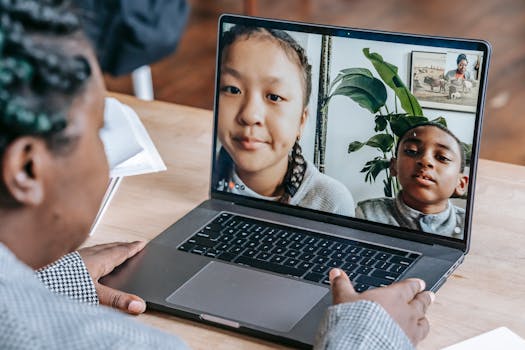
Unlock Your Potential: Free Online Courses with Certificates
free online courses with certificates

Unlock Your Potential: Free Online Courses with Certificates

Gain valuable skills and recognized credentials without spending a dime, opening doors to new career opportunities.

Start Learning Today!

Key Takeaways

  • ✓ Many reputable universities and companies offer free courses.
  • ✓ Certificates often require a small fee, but some are genuinely free.
  • ✓ Free courses cover a vast range of subjects, from tech to humanities.
  • ✓ These courses can significantly boost your resume and skill set.

How It Works

1
Identify Your Learning Goals

Before diving in, pinpoint what skills you want to acquire or what career path you aim to enhance. This clarity will guide your search and make your learning more effective.

2
Explore Reputable Platforms

Research and select platforms known for quality content and accredited certificates, such as Coursera, edX, or Google. Check reviews and course syllabi to ensure alignment with your objectives.

3
Enroll and Engage

Sign up for your chosen course, paying attention to any audit options versus verified tracks. Actively participate in lectures, assignments, and discussions to maximize your learning experience.

4
Complete and Certify

Successfully finish all course requirements, including quizzes and final projects. If a free certificate is offered, claim it; otherwise, consider the paid option if the credential value is high for your goals.

The Unbeatable Value of Free Online Learning Platforms

Professional instructor teaching math concepts online with a laptop and whiteboard. Photo: Vanessa Garcia / Pexels
In today's rapidly evolving job market, continuous learning isn't just an advantage; it's a necessity. The good news is that acquiring new skills and credentials doesn't have to break the bank. The proliferation of free online courses with certificates has democratized education, making high-quality learning accessible to anyone with an internet connection. This phenomenon has been a game-changer for millions, allowing individuals from all walks of life to upskill, reskill, or even explore entirely new career paths without the financial burden typically associated with higher education. These platforms offer an unparalleled opportunity to learn from world-renowned universities and industry leaders, often mirroring the content and rigor of their paid counterparts. The 'free' aspect typically refers to the course content itself – lectures, readings, and assignments. While many platforms charge a fee for a verified certificate, there are indeed numerous avenues to earn a legitimate certificate at no cost, or through financial aid options for those who qualify. This accessibility is particularly impactful for individuals in underserved communities or those facing economic constraints, providing a pathway to professional development that was once out of reach. Beyond just the cost, the flexibility of online learning is a massive draw. You can learn at your own pace, fitting studies around existing work commitments, family responsibilities, or other personal obligations. This self-paced nature empowers learners to take ownership of their educational journey, fostering discipline and time management skills that are valuable in any professional setting. Furthermore, the sheer breadth of subjects available is staggering, ranging from cutting-edge technologies like artificial intelligence and data science to foundational business principles, creative arts, and humanities. Whether you're looking to master a new programming language, understand digital marketing strategies, or delve into the intricacies of project management, there's likely a free course available to meet your needs. Many of these courses are designed not just for academic enrichment but with practical career application in mind, ensuring that the skills you acquire are directly transferable to the workplace. This focus on practical, in-demand skills makes free online courses an excellent investment of your time. For more general insights into the value of digital learning, explore how online education is changing lives globally.

Navigating Top Platforms for Free Certifications and Courses

A person writing notes while researching online courses on a laptop in a home setting. Photo: ROMAN ODINTSOV / Pexels
The landscape of free online courses with certificates is vast and varied, with several key players dominating the space. Understanding the strengths of each platform can help you make an informed decision about where to invest your learning time. Coursera, for instance, partners with over 200 leading universities and companies, offering a wide array of courses, specializations, and professional certificates. While many of their certificates come with a fee, Coursera offers a 'financial aid' option for almost all courses, allowing eligible learners to apply for free access and a verified certificate. This process usually involves a short application explaining your financial need and learning goals. edX, founded by Harvard and MIT, is another powerhouse, providing university-level courses in a diverse range of disciplines. Similar to Coursera, edX often charges for verified certificates, but many courses can be audited for free, meaning you get access to all course materials without the certificate. They also have various programs and courses that offer free certificates upon completion, often sponsored by foundations or government initiatives. Google, through its Grow with Google initiative and other partnerships, offers several highly valuable professional certificates in fields like IT Support, Data Analytics, Project Management, and UX Design. These certificates are specifically designed to equip learners with job-ready skills and are often recognized by employers. While the full programs typically involve a subscription fee, Google frequently collaborates with non-profits and public libraries to offer free access to these certificates for eligible individuals. Platforms like Alison and Great Learning are known for providing a larger number of genuinely free courses with free certificates upon successful completion, though the recognition level of these certificates might vary compared to university-backed options. Class Central is an excellent aggregator that lists free courses from various platforms, often highlighting those that offer free certificates. When evaluating platforms, consider factors like the reputation of the institution or company offering the course, the relevance of the curriculum to your goals, and the recognition of the certificate in your target industry. Always read the fine print regarding certificate fees and availability. Many platforms also offer 'free trials' or individual courses within a larger specialization that can be taken for free, providing a taste of the content before committing. By strategically utilizing these resources, you can build an impressive portfolio of skills and certifications without incurring significant costs. It's about being smart and proactive in your search for quality educational content and recognized credentials.

Maximizing Your Learning: Strategies for Success with Free Certifications

Educator discussing concepts during an online session, sitting at a desk with a laptop. Photo: Vanessa Garcia / Pexels
Earning free online courses with certificates is a fantastic achievement, but simply enrolling isn't enough. To truly benefit and make these credentials count, you need to adopt effective learning strategies and integrate them into your broader professional development plan. First and foremost, treat a free course with the same dedication and commitment as you would a paid one. While there's no financial investment, your time is a valuable resource. Set aside dedicated study hours, create a comfortable learning environment, and eliminate distractions. Active engagement is key: don't just passively watch lectures. Take detailed notes, pause to reflect on complex concepts, and actively participate in discussion forums if available. Engaging with peers can deepen your understanding, expose you to different perspectives, and even lead to networking opportunities. Many courses include quizzes, assignments, and projects. Completing these diligently is crucial not only for passing the course but also for solidifying your understanding and applying the concepts learned. These practical exercises are often where the real learning happens, transforming theoretical knowledge into actionable skills. If a course offers a final project, dedicate extra effort to it, as it can serve as a valuable portfolio piece to showcase your abilities to potential employers. Another critical strategy is to connect your learning to your career goals. Before starting a course, articulate how the skills you'll gain will contribute to your professional advancement. This clarity will serve as a powerful motivator and help you select courses that are truly impactful. Once you earn a certificate, don't let it gather digital dust. Update your LinkedIn profile, add it to your resume, and discuss your new skills during job interviews. Be prepared to explain what you learned, how you applied it, and how it makes you a stronger candidate. Furthermore, consider how these certificates can stack. Many platforms offer 'specializations' or 'professional certificates' that are a series of related courses. Even if individual courses are free, completing a full specialization often requires a fee for the comprehensive certificate. However, taking several free courses within a related domain can still demonstrate a strong commitment to a particular skill set. For more on structuring your learning journey, read about effective strategies for lifelong learning. Finally, remember that consistency trumps intensity. It's better to study for a shorter period regularly than to cram everything at the last minute. Break down complex topics into manageable chunks and celebrate small victories along the way to maintain momentum and motivation. By adopting these strategies, your free online courses with certificates will become powerful tools for personal and professional growth.

Common Pitfalls to Avoid When Pursuing Free Online Certifications

While the world of free online courses with certificates offers immense opportunities, it's not without its potential pitfalls. Being aware of these common mistakes can help you navigate the landscape more effectively and ensure your efforts are truly productive. One of the most frequent errors is the 'course collector' syndrome. It's easy to get excited and enroll in dozens of free courses, only to complete very few. This over-enrollment leads to overwhelm, fragmented learning, and ultimately, a lack of tangible outcomes. Instead of signing up for everything that looks interesting, be selective. Focus on 1-2 courses at a time that directly align with your most pressing learning or career goals. Another pitfall is underestimating the time commitment. Even free courses require dedication. While they offer flexibility, they still demand hours of study, assignment completion, and sometimes peer reviews. Failing to allocate sufficient, consistent time can lead to falling behind and eventually dropping out. Treat these courses like a serious commitment, scheduling study blocks into your calendar. Related to this is the mistake of not actively engaging with the material. Simply watching lectures passively won't ingrain the knowledge or develop the skills. You must participate in exercises, complete assignments, and seek to apply what you've learned. If a course has a discussion forum, engage with it to clarify doubts and broaden your perspective. Furthermore, some learners overlook the reputation of the certificate itself. While a free certificate is better than no certificate, its value can vary. A certificate from a top university or a recognized industry leader (like Google's Professional Certificates) holds more weight than one from a lesser-known platform or a course with no clear accreditation. Always consider the recognition level of the issuing body when evaluating the long-term impact on your resume. Finally, don't forget to follow through on claiming and showcasing your certificate. Many free certificates require you to actively download them or complete a final step. Once earned, update your professional profiles, like LinkedIn, and integrate it into your resume. It's also crucial to be ready to discuss what you learned and how it applies to your career goals during interviews. Avoiding these common mistakes will ensure that your pursuit of free online courses with certificates is a successful and rewarding endeavor. **Key Takeaways to Avoid Pitfalls:** * **Prioritize Quality Over Quantity:** Enroll in fewer, high-impact courses. * **Commit Time Realistically:** Schedule dedicated study periods. * **Engage Actively:** Participate fully in all course components. * **Vet Certificate Credibility:** Choose recognized issuing bodies. * **Showcase Your Achievements:** Update profiles and discuss new skills.

Comparison

FeatureCoursera (with Financial Aid)Google Career CertificatesAlison (Free Certificates)
PartnershipsTop Universities/CompaniesGoogle & PartnersIndependent/Publishers
Certificate RecognitionHighHigh (Industry-specific)Moderate
Course VarietyVery BroadSpecific Career PathsBroad
Learning FormatVideo, Readings, QuizzesVideo, Hands-on LabsVideo, Text, Assessments
Cost for CertificateFree (with aid)Free (via partners)
Job-Ready Focus

What Readers Say

"I used Coursera's financial aid to get a certificate in Digital Marketing. It was incredibly thorough and the certificate helped me land my first marketing job. I wouldn't have been able to afford it otherwise."

Maria S. · Austin, TX

"The Google IT Support Professional Certificate I got for free through a local library program was a game-changer. The content was practical, and I felt job-ready immediately. Highly recommend for anyone looking to switch careers."

David L. · Miami, FL

"Thanks to free online courses with certificates from edX, I gained new data analysis skills. This allowed me to automate several tasks at my current job, leading to a promotion and a significant salary increase. Truly transformative!"

Sophia K. · Portland, OR

"While some free certificates from smaller platforms aren't as recognized, the knowledge gained is still invaluable. I completed several Python programming courses on various sites, and even without a 'brand name' certificate, my coding skills improved dramatically."

James R. · Chicago, IL

"As a stay-at-home parent, free online courses were my lifeline to staying relevant. I earned a Project Management certificate and now freelance from home, using the skills I acquired entirely for free. It provided the flexibility I needed."

Elena P. · Denver, CO

Frequently Asked Questions

Are free online courses with certificates truly free?

Yes, many courses offer free access to all learning materials, and some platforms or programs also provide the certificate itself for free, often through financial aid, sponsorships, or specific initiatives. Always check the course details for certificate costs.

Will employers recognize these free certificates?

Employer recognition varies. Certificates from reputable universities (via Coursera, edX) or industry leaders (like Google) are highly recognized. Less known platforms might offer valuable skills, but the certificate's weight on a resume might be lower. Focus on the skills gained first.

How do I find free certificates on platforms like Coursera or edX?

On Coursera, look for the 'Financial Aid Available' link on course pages and apply. On edX, many courses can be 'audited' for free, giving access to content. Some specific programs or courses on both platforms also offer genuinely free certificates.

What kind of time commitment do these courses require?

The time commitment varies widely, from a few hours a week for shorter courses to 10-15 hours for more intensive programs over several weeks or months. Most courses will specify an estimated time commitment per week.

How do free online courses compare to traditional education?

Free online courses are typically more focused on specific skills, self-paced, and lack the comprehensive degree structure of traditional education. They are excellent for targeted skill development and credentialing but are not a direct substitute for a full degree program.

Who should consider taking free online courses with certificates?

Anyone looking to acquire new skills, boost their resume, explore new career paths, or simply engage in lifelong learning should consider them. They are particularly beneficial for those with budget constraints or limited access to traditional educational institutions.

Are there any hidden costs or risks associated with these courses?

Generally, there are no hidden costs for the 'free' content. The main 'risk' is investing your time into a course that doesn't meet your expectations or whose certificate isn't as recognized as you hoped. Always research the course and platform thoroughly beforehand.

What are the future trends for free online certifications?

Expect continued growth in micro-credentials, AI-powered personalized learning, and increased employer integration. More universities and companies will likely offer free or low-cost pathways to certificates as the demand for flexible, skill-based learning continues to rise.

Don't let financial barriers hold you back from achieving your professional dreams. Dive into the world of free online courses with certificates today and start building a brighter future. Your next career opportunity could be just a few clicks away!

Topics: free online courses with certificatesonline learning platformscareer advancement coursesskill development certificationsprofessional development free
Leo List
Brampton weed
Adultwork EstrelaBet Vai de Bet R7 Bet Betão Galera Bet Rainbet Bet9ja Shop SportyBet BetKing Sisal Loto Foot Hollywoodbets YesPlay Odibets RushBet Jugabet BetWarrior BetCity MSport betPawa Fortebet