
Mastering Early Childhood Education Curriculum
Empower young minds with a robust curriculum designed for foundational learning and lifelong success.
Explore Curriculum StrategiesKey Takeaways
- ✓ Early childhood education (ECE) is crucial for cognitive, social, and emotional development.
- ✓ A well-designed curriculum integrates play-based learning with structured activities.
- ✓ Curriculum frameworks often align with state and national early learning standards.
- ✓ Teacher training and ongoing professional development are vital for effective curriculum implementation.
How It Works
Effective curriculum begins with a deep understanding of child development across various domains. This foundational knowledge ensures activities are age-appropriate and challenging.
Choose or adapt a recognized curriculum model (e.g., Reggio Emilia, Montessori, HighScope) that aligns with your educational philosophy. This framework provides a structured approach to learning.
Translate the framework into engaging, hands-on activities that foster exploration, critical thinking, and social interaction. Integrate various subjects holistically rather than in isolation.
Put the curriculum into practice, continuously observing children's responses and learning outcomes. Regularly assess progress and make necessary adjustments to meet individual and group needs.
The Foundation: Understanding Early Childhood Development Principles
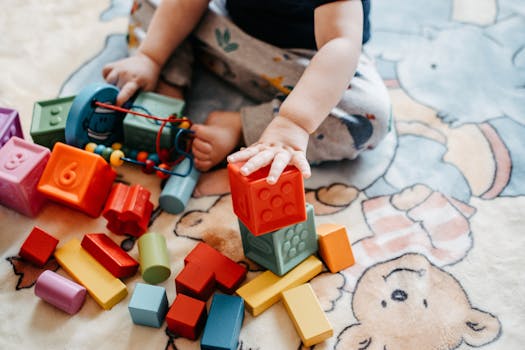 Photo: Lisa from Pexels / Pexels
Key Components of a Comprehensive Early Childhood Education Curriculum
 Photo: Vlada Karpovich / Pexels
Choosing and Implementing the Right Curriculum Framework in the US
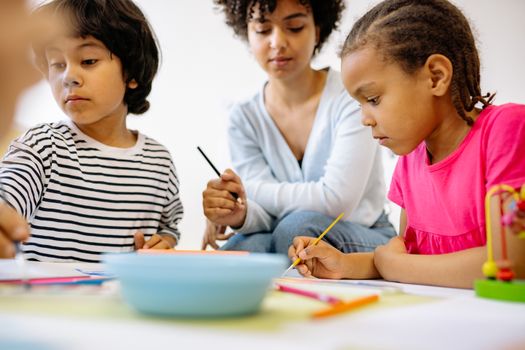 Photo: Yan Krukau / Pexels
Best Practices and Common Pitfalls in Early Childhood Education Curriculum Design
 Photo: Pavel Danilyuk / Pexels
Comparison
| Feature | Montessori | Reggio Emilia | HighScope | Creative Curriculum |
|---|---|---|---|---|
| Teacher Role | Guide/Facilitator | Co-learner/Researcher | Active Participator | Facilitator/Observer |
| Child Role | Self-directed Learner | Co-constructor of Knowledge | Active Learner (Plan-Do-Review) | Explorer/Discoverer |
| Environment Focus | Prepared Environment | The 'Third Teacher' | Key Learning Areas | Interest Areas |
| Assessment | Observation/Portfolios | Documentation/Observation | Child Observation Record | Developmental Continuum |
| Play-Based | Structured Play | Project-Based Play | Active Play | Integrated Play |
What Readers Say
"Our center adopted a new early childhood education curriculum this year, and the difference is remarkable. Children are more engaged, and their social-emotional skills have blossomed. It's truly transformative."
Sarah J. · Austin, TX"As an early childhood educator, finding a curriculum that balances academic readiness with play is key. This curriculum provides excellent guidance and resources, making my job more effective and enjoyable."
Mark D. · Orlando, FL"My son's preschool uses a curriculum that emphasizes exploration and creativity. He's developed such a love for learning and can now recognize all his letters and numbers, far exceeding my expectations for his age."
Emily R. · Seattle, WA"The framework is solid, though adapting it to our specific diverse community required some effort. Once tailored, however, the results in child engagement and development were very strong. It's a great starting point."
David L. · Boston, MA"Working with special needs children, I needed a flexible curriculum. This early childhood education curriculum allowed me to differentiate activities easily, leading to significant progress for all my students."
Jessica M. · Denver, COFrequently Asked Questions
What is the primary goal of an early childhood education curriculum?
The primary goal of an early childhood education curriculum is to foster holistic development in young children (typically birth through age 8), encompassing cognitive, social-emotional, physical, and language domains. It aims to build a strong foundation for lifelong learning, school readiness, and overall well-being, rather than solely focusing on academic achievement.
Is a play-based curriculum effective for early academics?
Absolutely. A well-designed play-based curriculum is highly effective for early academics. Children naturally learn through play, developing critical thinking, problem-solving skills, language, and foundational math and literacy concepts in a meaningful and engaging context. Research consistently shows that play-based learning leads to deeper understanding and better long-term academic outcomes than early formal instruction.
How do I choose the best early childhood education curriculum for my center?
To choose the best curriculum, first assess your program's philosophy, the developmental needs of the children you serve, and your staff's expertise. Research various frameworks like Montessori, Reggio Emilia, or HighScope. Then, ensure the chosen curriculum aligns with your state's early learning standards, provides comprehensive resources, and supports ongoing professional development for your educators. Pilot programs or extensive training can aid in successful implementation.
What are the typical costs associated with implementing a new curriculum?
Costs can vary widely depending on the curriculum chosen. They typically include initial licensing fees or purchase of curriculum guides, specialized materials or equipment (e.g., Montessori materials), professional development and training for staff, and ongoing resource replenishment. Some curricula are open-source or free, while others require significant investment. Budget for both upfront and recurring expenses.
How does early childhood education curriculum differ from K-12 curriculum?
Early childhood education curriculum is distinct from K-12 in its emphasis on holistic development, play-based learning, and individualization. While K-12 curricula often focus on discrete academic subjects and standardized testing, ECE prioritizes integrated learning, social-emotional growth, and learning through exploration and experience. ECE also places a greater emphasis on the role of the environment and the family in a child's learning.
Who benefits most from a well-structured early childhood education curriculum?
Everyone benefits, but primarily the children, their families, and the educators. Children gain a strong developmental foundation, improved social skills, and a love for learning. Families receive peace of mind knowing their child is in a high-quality learning environment. Educators benefit from clear guidance, professional growth opportunities, and the satisfaction of seeing children thrive due to a well-designed program.
Are there risks in implementing a curriculum that is too rigid or academic?
Yes, there are significant risks. A curriculum that is too rigid or overly academic for young children can stifle creativity, reduce intrinsic motivation, and lead to early burnout. It can also neglect crucial social-emotional and physical development, potentially causing stress, anxiety, and a negative association with learning, which can have long-term detrimental effects.
What are the future trends in early childhood education curriculum design?
Future trends include a greater emphasis on personalized learning, integrating technology thoughtfully (not replacing hands-on experiences), increasing focus on socio-emotional learning and executive function skills, and promoting diversity, equity, and inclusion. There's also a growing movement towards nature-based learning and curricula that prepare children for a rapidly changing global society by fostering adaptability and critical thinking.
Invest in the future by implementing a high-quality early childhood education curriculum. Explore resources, frameworks, and professional development opportunities to create a transformative learning environment for every child.