What is Personalized Learning? Your Guide to Tailored Education
June 23, 2026 15 min read 2,936 words
Unlock a new era of education where every student's journey is uniquely crafted for optimal growth and success.
Explore Personalized Learning
Understanding the Core Principles of Personalized Education
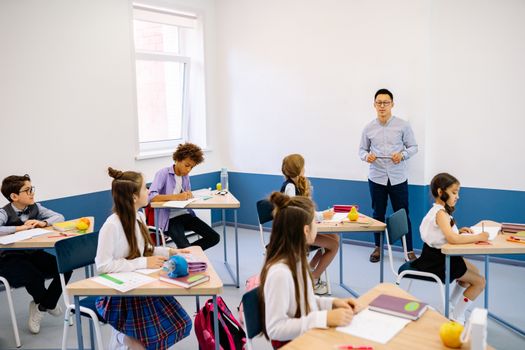 Photo: Yan Krukau / Pexels
At its heart, personalized learning is a pedagogical approach that places the individual student at the center of the educational experience. It’s a significant departure from the traditional, one-size-fits-all model of education that has dominated classrooms for centuries. Instead of expecting all students to learn the same material, at the same pace, and in the same way, personalized learning acknowledges and celebrates the inherent diversity in how humans acquire knowledge and skills. This approach is built on several core principles that guide its implementation and define its objectives. Firstly, it emphasizes student agency, empowering learners to have a voice and choice in what, how, and when they learn. This doesn't mean students simply do whatever they want; rather, it means they are active participants in setting their learning goals, choosing relevant resources, and demonstrating their understanding in meaningful ways. When students feel a sense of ownership over their education, their intrinsic motivation and engagement naturally increase, leading to deeper learning and retention. Secondly, personalized learning is deeply rooted in understanding individual student needs. This involves comprehensive assessments – both formal and informal – to pinpoint a student's strengths, weaknesses, prior knowledge, learning preferences (e.g., visual, auditory, kinesthetic), and interests. This data-driven approach allows educators to construct a learning environment that is uniquely suited to each learner, rather than a generic curriculum designed for an imagined 'average' student. It recognizes that some students may excel in certain areas while needing more support in others, and it provides the flexibility to address these disparities effectively. Thirdly, the concept of flexible pathways is crucial. Personalized learning eschews a rigid, linear progression through material. Instead, it offers multiple routes to achieve learning objectives. This might involve different instructional strategies, varied learning materials (videos, interactive simulations, texts, hands-on projects), and diverse methods for demonstrating mastery. For instance, one student might learn best through collaborative group work, while another thrives with independent research. A personalized system accommodates both, ensuring that the chosen pathway aligns with the student's optimal learning conditions. Fourthly, competency-based progression is a cornerstone. Unlike traditional systems where students advance based on completing a certain amount of time in a grade level, personalized learning focuses on demonstrated mastery of specific skills and concepts. Students move forward once they have proven their proficiency, regardless of how long it took them to get there. This ensures a solid foundation of understanding before progressing to more complex topics, preventing learning gaps from accumulating over time. It also means that students who grasp concepts quickly can accelerate, while those who need more time receive the necessary support without being left behind. Lastly, the role of the educator transforms from a lecturer to a facilitator and guide. In a personalized learning environment, teachers spend less time disseminating information and more time coaching, mentoring, and providing individualized feedback. They analyze student data, design customized learning experiences, and intervene strategically to support each student's journey. This shift allows teachers to build stronger relationships with students and address their specific learning challenges more effectively. Ultimately, these core principles combine to create an educational ecosystem that is responsive, equitable, and highly effective in preparing students for lifelong success. For more insights into modern educational approaches, explore
innovative teaching strategies.
The Role of Technology and Data in Adaptive Learning Environments
 Photo: Gu Ko / Pexels
While personalized learning is a pedagogical philosophy, its widespread and effective implementation in contemporary education heavily relies on advanced technology and sophisticated data analytics. Technology acts as a powerful enabler, allowing educators to manage the complexity of individualizing instruction for diverse groups of students, a task that would be nearly impossible to scale manually. Adaptive learning platforms are perhaps the most visible manifestation of this technological integration. These platforms use artificial intelligence and machine learning algorithms to continuously assess a student's understanding, identify gaps, and then dynamically adjust the learning content, pace, and instructional approach in real-time. For example, if a student struggles with a particular math concept, the system might provide additional practice problems, offer a different explanation, or suggest a remedial module. Conversely, if a student demonstrates mastery, the system can present more challenging material or allow them to skip ahead. This adaptive nature ensures that learning is always pitched at the 'just right' level, maximizing engagement and minimizing frustration. Beyond adaptive content, technology facilitates personalized learning through a myriad of tools. Learning Management Systems (LMS) allow for the organization and delivery of customized curricula, resources, and assignments. Digital portfolios enable students to curate and showcase their work, reflecting their unique learning journeys and growth. Collaboration tools connect students with peers and experts, fostering rich, project-based learning experiences that can be tailored to individual interests. Virtual reality (VR) and augmented reality (AR) are also emerging as powerful tools, offering immersive and interactive learning experiences that can be personalized to a student's preferred mode of exploration. The collection and analysis of data are equally critical. Personalized learning generates a wealth of data points, from quiz scores and time spent on tasks to interaction patterns and emotional responses (where detectable). Learning analytics tools process this data to provide educators with actionable insights into student performance, progress, and engagement. Teachers can quickly identify students who are excelling, struggling, or disengaging, allowing for timely and targeted interventions. This data also helps in refining learning pathways, identifying effective resources, and continuously improving the personalized learning experience. For instance, data might reveal that a certain type of instructional video is particularly effective for visual learners, or that a specific problem-solving strategy leads to better outcomes for a group of students. Furthermore, data can inform curriculum development at a broader level. By aggregating anonymized data across many students, educators and curriculum designers can identify common misconceptions, areas where instructional materials are unclear, or topics that consistently pose challenges. This feedback loop allows for continuous improvement of the overall educational system, making it more responsive to the needs of the student population. It's important to note that while technology is a cornerstone, it's not a replacement for human interaction. The most effective personalized learning environments leverage technology to empower educators, freeing them from administrative tasks and allowing them to focus on high-value activities like mentoring, facilitating discussions, and providing empathetic support. The synergy between human expertise and technological capability is what truly unlocks the potential of personalized and adaptive learning.
Benefits and Challenges of Implementing Individualized Instruction
The shift towards individualized instruction, driven by the principles of personalized learning, brings with it a host of compelling benefits for students, educators, and the educational system as a whole. However, like any significant educational reform, it also presents distinct challenges that need careful consideration and strategic planning for successful implementation. One of the most significant benefits for students is increased engagement and motivation. When learning is relevant to a student's interests and tailored to their pace, they are more likely to be invested in the process. This leads to deeper understanding, better retention of knowledge, and a more positive attitude towards learning. Students also develop critical 21st-century skills such as self-direction, problem-solving, critical thinking, and collaboration, as they take on more responsibility for their learning journey. Academic achievement often improves as well, as students receive the specific support they need to master concepts before moving on, eliminating learning gaps. For educators, personalized learning can lead to a more fulfilling teaching experience. By moving away from a 'sage on the stage' model, teachers can focus on building stronger relationships with students, understanding their individual needs, and providing targeted, meaningful feedback. This allows for a more impactful and rewarding professional role, where teachers act as coaches and mentors rather than simply deliverers of content. The data-rich environment also provides teachers with unprecedented insights into student progress, enabling them to make more informed instructional decisions. Furthermore, personalized learning holds the promise of greater equity in education. By addressing the diverse needs of learners, including those with learning disabilities, gifted students, and English language learners, it aims to provide every student with the opportunity to reach their full potential, regardless of their background or starting point. It moves beyond a one-size-fits-all approach that often disadvantages students who don't fit the mold. Despite these profound benefits, implementing personalized learning is not without its hurdles. One major challenge is the initial investment in technology and professional development. Schools and districts need robust digital infrastructure, access to adaptive learning platforms, and ongoing training for educators to effectively utilize these tools and embrace new pedagogical practices. This can be a significant financial and logistical undertaking. Another challenge lies in the sheer complexity of managing individual learning paths for a large number of students. While technology assists, teachers still require time for planning, data analysis, and individualized student interactions. Workload management for educators needs to be carefully considered to prevent burnout. Data privacy and security are also critical concerns. As more student data is collected, ensuring its ethical use and protection becomes paramount. Parents and students need to understand how data is used to enhance learning and be confident that their information is secure. Resistance to change can also be a significant barrier. Educators, students, and parents accustomed to traditional models may be hesitant to adopt new approaches. Clear communication, pilot programs, and demonstrating tangible successes are crucial for building buy-in. Finally, defining and measuring success in a personalized learning environment requires a shift in assessment paradigms. Traditional standardized tests may not fully capture the breadth of skills and knowledge acquired through individualized pathways. Developing authentic, competency-based assessments that reflect student growth and mastery is an ongoing challenge. Overcoming these challenges requires a commitment to continuous improvement, collaboration among stakeholders, and a clear vision for how personalized learning can transform education for the better. Learn more about how technology is shaping education by visiting
educational technology trends.
Key Strategies for Successful Personalized Learning Implementation
Implementing personalized learning effectively requires a strategic and holistic approach, moving beyond simply adopting new software. It involves a fundamental shift in pedagogical mindset, school culture, and resource allocation. Here are some key strategies for successful implementation:
* **Start Small and Iterate:** Instead of attempting a school-wide overhaul from day one, consider piloting personalized learning in a few classrooms or subjects. This allows educators to experiment, learn from successes and failures, and refine their approach before scaling. Iterative implementation fosters a culture of continuous improvement.
* **Invest in Robust Professional Development:** Teachers are the linchpin of personalized learning. They need comprehensive and ongoing training not just on new technologies, but also on pedagogical shifts, data analysis, differentiation strategies, and fostering student agency. This professional learning should be collaborative and job-embedded.
* **Foster a Culture of Student Agency:** Empowering students means teaching them how to set goals, monitor their progress, reflect on their learning, and advocate for their needs. This requires explicit instruction in self-regulation and metacognitive skills. Creating opportunities for student voice and choice is fundamental.
* **Leverage Data for Actionable Insights:** Implement systems for collecting, analyzing, and acting upon student data. Teachers need accessible dashboards and training on how to interpret data to inform instructional decisions, identify students needing support, and celebrate achievements.
* **Design Flexible Learning Spaces:** The physical environment should support diverse learning activities – individual work, small group collaboration, direct instruction, and independent exploration. Flexible furniture, access to technology, and varied zones can enhance personalized experiences.
* **Communicate Effectively with Stakeholders:** Clearly articulate the vision, benefits, and implementation plan for personalized learning to parents, students, and the wider community. Address concerns, celebrate milestones, and gather feedback to build support and understanding.
* **Prioritize Equity and Access:** Ensure that personalized learning initiatives do not inadvertently widen achievement gaps. Provide equitable access to technology, high-quality resources, and individualized support for all students, especially those from underserved backgrounds.
* **Embrace Continuous Feedback and Reflection:** Personalized learning is not a static model; it's an ongoing process of adaptation. Regularly solicit feedback from students, teachers, and parents. Create opportunities for educators to reflect on their practices and make adjustments based on what is working and what needs improvement.
By focusing on these strategies, educational institutions can navigate the complexities of personalized learning and create truly transformative educational experiences for every student. It's about building a sustainable ecosystem where innovation, student growth, and educator empowerment go hand-in-hand.